The Long, Lazy Afternoon of Batu Ferringhi: A Beach That Taught Me to Slow Down
I have a confession to make. My first trip to Batu Ferringhi was, in a word, a failure. I’d arrived in Penang, Malaysia, armed with a checklist. I was going to conquer the street art in George Town, devour every char kway teow stall I could find, and then, as a final reward, “do” the famous beach. I saw it as a scenic pit stop, a place to snap a photo for the ‘gram before moving on to the next item on the itinerary. I gave it two hours, tops. I left feeling oddly underwhelmed. The sand was fine, the water was there, but it felt… generic. Like any other resort beach anywhere in the world. I’d missed the point entirely.
It was only years later, when a work assignment had me staying in a quiet guesthouse just off the main strip for a full week, that Batu Ferringhi began to reveal its true character. This wasn’t a beach to be “done”; it was a rhythm to be absorbed, a long, lazy afternoon that stretched into golden evenings and vibrant nights. It’s a place that doesn’t shout its beauty but whispers it in the rustle of casuarina trees and the rhythmic pull of the tide. Let me tell you what I learned when I finally stopped rushing and started listening.
From Pirate Cove to Tourist Strip: The Layers of a Beach
To understand Batu Ferringhi today, you have to scratch beneath the surface of its modern resort facade. The name itself is a clue: “Batu” means rock, and “Ferringhi” is a Malay term for “foreigner,” derived from “Frank” or “French.” Locals will tell you it harks back to a time when European traders, and likely pirates, used the coves and rocky outcrops of this northern Penang coastline for shelter and clandestine meetings. Before the hotels came, this was a sleepy fishing village, a world away from the bustling port of George Town.
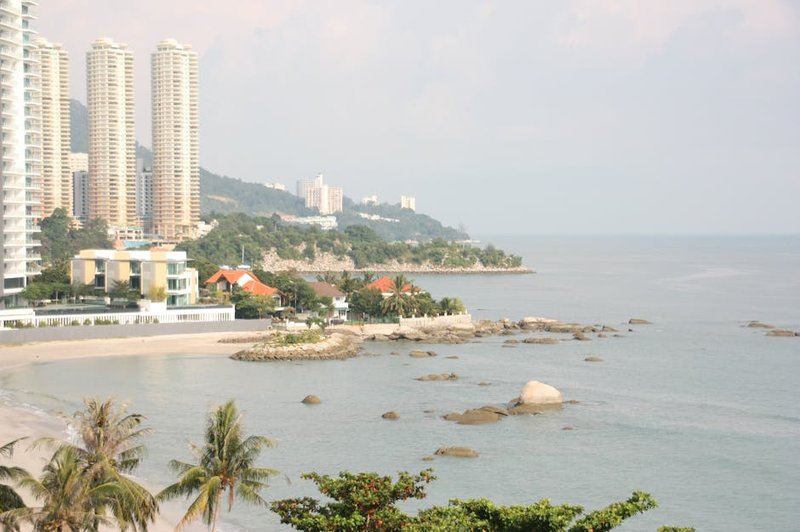
The transformation began in the 1970s and 80s, as Penang’s reputation grew. What was once a secluded strip became the place for sun-seeking tourists. The international hotels arrived, one after another, planting their flags along the precious coastline. This development created the Batu Ferringhi we know: a linear, 3-kilometer stretch of sand backed not by jungle, but by a continuous wall of resorts, restaurants, and shops. It’s a manufactured paradise, yes, but one that has developed its own authentic pulse over decades. The history isn’t in grand monuments here; it’s in the family-run stall that’s been selling coconut shakes for 30 years, or the elderly man who still remembers catching squid from a sampan before the first hotel broke ground.
The Ecosystem of a Resort Beach: How It All Holds Together
So how does Batu Ferringhi “work”? Technically, it’s a classic bay beach, its gentle curve shaped by the currents of the Malacca Strait. But the real mechanics are human. It operates on a beautifully simple, symbiotic cycle.
The engine is the hotels. They provide the beds, the pools, the security, and the easy access. Their guests spill onto the beach each morning, claiming spots under the rented umbrellas (always negotiate the price first—a lesson learned the hard way!). This critical mass of visitors supports the secondary layer: the beach vendors. This isn’t a sterile, vendor-free zone. It’s a parade of entrepreneurship. You’ll see the parasail boat circling just offshore, the jet-ski guys revving their engines, the henna tattoo artists with their binders of intricate designs, and the steady stream of men offering “Rolex, sir? Very good price!”
The magic happens at dusk. As the sun dips behind the hills of Penang National Park, the beachfront path transforms. The daytime vendors pack up, and in their place, the Batu Ferringhi Night Market begins to stir. Tables are laid, lights are strung, and the air fills with the sizzle of woks and the scent of satay. This nightly transformation is the beach’s true heartbeat. The tourists leave the sand, cross the path, and become patrons of one of Southeast Asia’s most accessible and enjoyable night markets. Money circulates from hotel to vendor to restaurant, sustaining hundreds of families. It’s a self-contained economy of leisure.
Beyond the Sunbed: The Real-World Applications of a Day Here
If you treat Batu Ferringhi as just a place to get a tan, you’re using only 10% of its potential. Over the years, I’ve discovered its best applications:
- The Digital Detox (With Wi-Fi Nearby): It’s the perfect place to feel disconnected while knowing civilization is a two-minute walk away. I’ve solved more work problems staring at the horizon here than in any office. The constant, soothing white noise of waves acts as a mental reset button.
- The Culinary Crawl Starter: Use the beach as your morning appetizer. A swim builds a hunger that can only be satisfied by Penang’s legendary food. Instead of eating at your hotel, venture into the adjacent neighborhoods like Tanjung Bungah or even back to George Town. That nasi lemak tastes infinitely better when earned.
- The Family Negotiation Table: I once watched a brilliant family dynamic unfold. The teens wanted jet-skis, the parents wanted peace, the younger kid wanted a sandcastle. Batu Ferringhi accommodates all of it, simultaneously. It’s a large, safe, contained environment where different vacation desires can coexist without anyone feeling cheated.
- The Gateway to Wildness: This is its most underrated function. Batu Ferringhi is the civilized launchpad for the wild. At its western end, the beach literally runs into the entrance of Penang National Park, one of the world’s smallest. Within an hour’s hike, you can be on Monkey Beach or at the historic Kerachut Turtle Sanctuary. The contrast—from bustling resort to silent jungle trail—is breathtaking.
The Sun and The Shadow: Weighing It All Up
Let’s be honest, Batu Ferringhi isn’t for everyone, and it has its flaws.
Advantages:
- Sheer Convenience: Everything is on tap. Hungry? Dozens of options. Forgot your swimsuit? Ten shops sell them. Need a cold beer? It’s never more than 50 meters away.
- The Night Market: This is the crown jewel. An evening stroll with street food, people-watching, and souvenir hunting is an unbeatable daily ritual.
- Activity Central: From water sports to bungee jumping, it’s all here if you want it. It’s a passive beach that can become an active one in minutes.
- A Certain Safety: Being so well-trodden and patrolled, it feels secure. You can wander the market at night with a sense of ease.
Disadvantages:
- It’s Not “Untouched Paradise”: If you seek secluded, powdery sand and crystal-clear, empty water, look elsewhere. The water can be murky, especially after rain, and the beach is shared with many, many others.
- The Vendor Tango: The constant, low-level sales pitches can wear you down if you’re not in the right headspace. A firm but polite “No, thank you” is your most essential phrase.
- Traffic: The coastal road chokes up predictably every evening. If you’re staying here and planning to go into George Town for dinner, plan for a long, slow taxi ride.
- A Touch Generic: The wall of international hotels can make you forget you’re in Malaysia at times. You have to make an effort to seek out the local character.
A Week in the Rhythm: My Personal Case Study
During that pivotal week-long stay, I imposed a routine on myself. Mornings were for the beach before the heat peaked. I’d swim, then read under a tree (skip the paid sunbed, find the natural shade). The key was the afternoon pivot. Instead of roasting on the sand, I’d use the free time to explore. One day, I took the public bus into George Town. Another, I hired a scooter and got lost in the inland villages. A third, I hiked to Monkey Beach and had it nearly to myself.
But the evening always belonged to Batu Ferringhi. My ritual was to walk the entire length of the night market, surveying the culinary offerings, before doubling back to my chosen stall. I became a regular at a particular rojak vendor. By the third night, he’d see me coming and start preparing my order—a little extra fried dough, a little less spicy. That tiny recognition was a triumph. It meant I’d transitioned from a faceless tourist to a temporary local. I’d learned the rhythm.

The Alternatives: When to Choose Something Else
Batu Ferringhi is Penang’s mainstream beach option. But the island has other personalities.
- Teluk Bahang: Just west, at the end of the strip, it’s quieter, more local, and home to great seafood restaurants on the pier. Choose this if you want to be closer to the National Park and prefer a village feel.
- Batu Feringghi’s Own Backstreets: This is my favorite “alternative.” Instead of staying at a beachfront monolith, book a guesthouse or boutique hotel in the lanes behind the main road. You’ll pay less, sleep more soundly away from the traffic, and still be a 3-minute walk from the sand. You’ll also discover fantastic local kopitiams (coffee shops) that the hotel crowds never see.
- Southern Beaches (like Gertak Sanggul): For a more rugged, fishing-vibe experience, head south. You won’t find resorts or jet-skis, just simple seafood shacks and views of Pulau Kendi. It’s for the adventurous eater and those who don’t need a lounger.
Common Pitfalls and How to Sidestep Them
- Pitfall: The Midday Scorch. The sun here is equatorial and brutal. Avoidance: Treat 11 am to 3 pm as indoor or pool time. The beach is best from 8-10 am and after 4 pm.
- Pitfall: Overpaying for Everything. From sunbed rentals to taxi fares. Avoidance: Always, always ask the price first and be prepared to walk away. For taxis, use the Grab app (Southeast Asia’s Uber) for fixed, fair rates.
- Pitfall: Never Leaving the Strip. It’s easy to get trapped in the resort bubble. Avoidance: Make a non-negotiable plan to leave the strip at least once every two days. Rent a scooter, take a bus, book a tour to the Penang Hill funicular. Penang is too culturally rich to spend entirely on a beach towel.
- Pitfall: Expecting Pristine, Clear Water. This isn’t the Maldives. The strait is silty. Avoidance: Adjust your expectations. Enjoy the water for its cool, refreshing qualities and the joy of being in the sea, not for Instagram-perfect aquamarine clarity.
The Future: A Beach at a Crossroads
Batu Ferringhi’s future is a topic of quiet debate. Climate change and rising sea levels are a tangible threat. Erosion is a constant battle, sometimes visible in the sandbagging efforts along sections of the shore. There’s also pressure to develop further, to go taller and more luxurious.
The hope, I think, lies in sustainable tourism and celebrating what makes it unique—its accessibility and its vibrant, local-entrepreneur-driven economy. The night market isn’t just an attraction; it’s a cultural institution that must be preserved. The best future for Batu Ferringhi isn’t in becoming more like other global resort destinations, but in nurturing its specific, slightly chaotic, wonderfully Malaysian character.
Final Thoughts
Batu Ferringhi won’t steal your heart with a single, dramatic vista. It’s not that kind of beach. It’s a companion. It’s the place where you learn to slow down, to observe, to bargain cheerfully, to eat from a plastic stool by the roadside, and to appreciate the simple, profound luxury of an endless horizon. It taught me that sometimes the most rewarding travel experiences aren’t found in the guidebook’s top highlights, but in the quiet, daily rhythms of a place. Give it more than two hours. Give it an afternoon, then an evening, then a morning. Let its rhythm become yours, and you might just find yourself, as I did, planning your return before you’ve even left.