The Cameron Highlands’ Crown Jewel: My Journey Through the Boh Tea Plantation
I remember the first time I saw it. After hours of navigating the winding, mist-cloaked roads of the Cameron Highlands, we rounded a corner, and the world fell away. Before me stretched an undulating, almost impossibly green tapestry, a vast geometric quilt of tea bushes clinging to the steep hillsides, row upon perfect row disappearing into a low-hanging cloud. This was the Boh Tea Plantation at Sungei Palas, and it wasn’t just a sight; it was a full-body experience. The air, thin and cool, carried the faint, sweet, vegetal scent of Camellia sinensis. The silence was profound, broken only by the distant chatter of pluckers and the whisper of the mountain wind. I wasn’t just visiting a farm; I was stepping into a living, breathing ecosystem dedicated to a single, beautiful purpose. That trip, over a decade ago, sparked a fascination that has drawn me back repeatedly, not just as a tourist, but as someone endlessly curious about the alchemy of place, process, and leaf.
From Scottish Grit to Malaysian Mist: The Roots of Boh
To understand Boh is to understand a story of colonial ambition meeting perfect terroir. It’s not a centuries-old tradition like those in China or India. Instead, its origin is a distinctly early 20th-century tale. In 1929, John Archibald Russell, the son of a British administrator, saw potential in the Cameron Highlands’ cool climate and rich, volcanic soil. He secured a concession, and with the backing of his father’s friend, A.B. Milne, Boh Plantations was born—named after the Boh River in nearby Sumatra.

What’s often glossed over in brochures is the sheer grit this required. This was dense, untouched montane forest. Clearing it, planting the first delicate tea clones (believed to be Assamica-Jat hybrids from Ceylon, now Sri Lanka), and building the infrastructure was a Herculean task. The first factory, a rudimentary wooden structure, began operations in 1935. Visiting the old administrative buildings today, you can still feel that pioneering spirit. It’s a legacy not just of tea, but of a stubborn belief that this specific patch of highland, at roughly 1,500 meters above sea level, could produce something extraordinary. That legacy is why Boh isn’t just a tea plantation in Malaysia; for many, it is Malaysian tea, controlling a dominant share of the local market and defining the taste of a nation’s daily brew.
The Symphony of a Leaf: How Boh Really Works
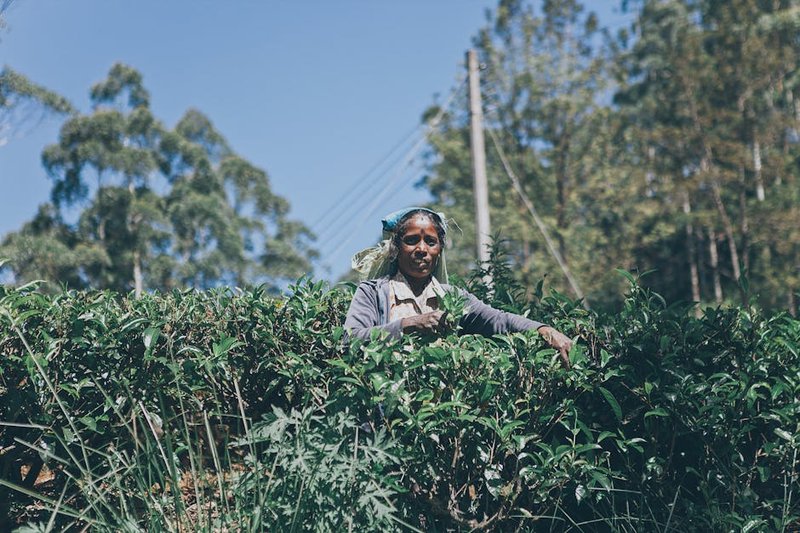
The postcard view is one thing. The reality of how those perfect green rows become the tea in your cup is a meticulously choreographed symphony. Having spent a morning following a veteran plucker, Madam Lim, I learned that the first note in this symphony is played entirely by hand.
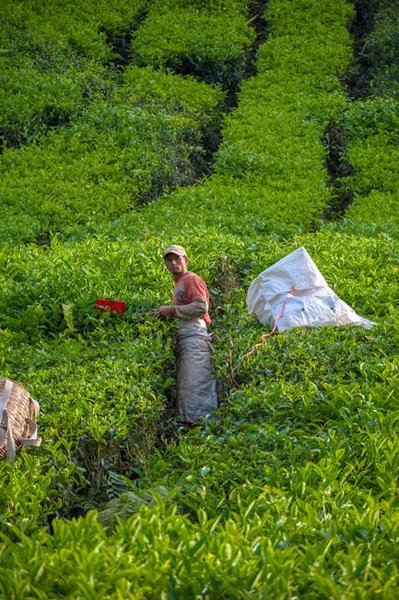
The Pluck: The rule is “two leaves and a bud.” This isn’t aesthetic; it’s biochemical. The unopened bud (the pekoe) and the two youngest leaves contain the highest concentration of the amino acids, oils, and compounds that create flavour, aroma, and complexity. Madam Lim’s hands moved with a swift, practised economy, her fingers snapping the stems with a faint ping that was oddly satisfying. She could clear a bush in minutes, her basket filling with emerald treasure. This human touch is irreplaceable by machines on these steep slopes, and it’s the first critical quality gate. A bad pluck—too old, too rough—can’t be fixed later.
The Withering: The freshly plucked leaves are rushed to the factory, where they’re spread thinly on vast, ventilated troughs. Here, they begin to lose moisture, becoming supple and flaccid. Walking through the withering loft is an olfactory delight—the scent is like fresh-cut grass and green apples. This 12-18 hour process is where the first enzymatic reactions start, beginning the development of flavour.
The Roll and The Ferment (or Oxidation): This is where black tea gets its character. The withered leaves are fed into rolling machines that gently twist and break their cell walls, releasing enzymes and juices. At Boh, they use both orthodox rollers (which twist the leaves) and CTC (Crush, Tear, Curl) machines for different product lines. The orthodox method, used for their premium grades, is gentler and preserves more of the leaf’s structure. After rolling, the leaves are spread out to oxidize. This is the magic moment. As the enzymes interact with oxygen, the leaves transform from green to a coppery brown, and the flavours deepen from vegetal to the malty, fruity, sometimes floral notes we associate with black tea. The master tea maker’s skill is paramount here, using sight, smell, and touch to know exactly when to stop oxidation.
The Fire: Drying and Sorting: To lock in the developed flavour, the oxidized leaves are fired in large dryer ovens, halting the enzymatic activity. What emerges is the finished black tea—brittle, dark, and fragrant. It’s then sorted by size through vibrating meshes and electronic colour sorters: whole leaves, broken leaves, fannings (for tea bags). Each grade has its purpose, but the whole leaf grades from the Sungei Palas estate, with their silvery tips, are the crown jewels.
More Than a Cuppa: Boh in the Real World
Boh’s application seems simple: you brew it. But its role is multifaceted. For Malaysia, it’s a pillar of national identity. The strong, malty “teh tarik”—the pulled tea that is the country’s social lubricant—relies on a robust, affordable black tea that can stand up to condensed milk and vigorous aerating. Boh supplies that backbone. It’s the default tea in millions of households and kopitiams (coffee shops).
But there’s another, more nuanced application: tourism as education. The Boh visitor centres, particularly the stunning modern one at Sungei Palas with its cantilevered viewing platform, do more than sell souvenirs. They demystify the process. I’ve watched schoolchildren’s eyes widen as they see the factory in action through viewing galleries and tourists from arid countries marvel at the verdant landscape. Boh has successfully applied its brand to an experience, creating a deeper connection with consumers that goes beyond the supermarket shelf. Furthermore, their foray into specialty teas—like their highly sought-after Golden Circle tea made from only the golden tips—applies traditional methods to a luxury market, showing the versatility of their base product.
The Verdant Balance: Advantages and Inevitable Challenges
The advantages of a place like Boh are tangible.
- Ideal Terroir: The altitude provides a slow growth cycle, allowing flavours to develop more complexity. The cool, misty climate reduces pest pressure naturally.
- Vertical Integration: From owning the land to plucking, processing, packaging, and marketing, Boh controls the entire chain. This ensures quality consistency and captures value at every stage.
- Economies of Scale: As Malaysia’s largest producer, they have the infrastructure and efficiency to supply a mass market reliably and affordably.
But the challenges are just as real, and climate change is the spectre at the feast.
- Labour Intensity: The reliance on manual plucking is a growing vulnerability. Younger generations are less inclined towards this tough, skilled work. Wages are a constant pressure point.
- Monoculture Vulnerability: Vast swathes of a single crop are always at risk from disease or specific climate shocks. A prolonged drought or an unseasonal frost could be devastating.
- Environmental Footprint: While the plantations are carbon sinks, large-scale agriculture has impacts. Soil erosion on steep slopes is a constant battle, managed through contour planting and ground cover. Water usage and the potential for fertilizer runoff are ongoing management concerns.
- Climate Uncertainty: The Cameron Highlands are getting warmer. Unpredictable rainfall patterns and more frequent extreme weather events threaten the delicate balance the tea bushes depend on.
A Personal Case Study: The Day the Factory Was Silent
On one visit, I arrived to find the factory unusually quiet. The great rolling machines were still. The manager explained they’d had two days of heavy, unrelenting rain. “The leaves are too wet,” he said. “If we try to wither them, they’ll just stew. We have to wait.” It was a stark lesson in agriculture’s dependency on nature. The pluckers couldn’t work in the downpour, and the leaves they did bring in were waterlogged. This wasn’t in any brochure. It showed me that for all the precision engineering in the factory, the entire operation dances to the tune of the weather. It also highlighted the economic ripple effect: no plucking means daily wages lost for hundreds of workers. This vulnerability is something a tea drinker never sees in their clean, dry box of tea bags.
Beyond Boh: How Does It Stack Up?
Boh exists in a global context. Compared to the delicate, often pan-fired green teas of China or Japan, Boh’s black teas are bold and robust—built for strength rather than subtlety. Against the high-grown Ceylon teas of Sri Lanka, which can be bright and citrusy, Boh teas tend to be maltier, rounder, with a deeper colour. The closest cousin might be an Assam from India, but even then, Boh often has a cleaner finish, less astringency, and that distinctive “highland note”—a faint, cool crispness in the backdrop, like the mountain air itself.
The more telling comparison is with smaller, artisanal Malaysian tea gardens like BOH Tea Plantation’s smaller competitors that are popping up. These boutique estates, like the ones near Mount Brinchang, often focus on organic practices, hand-processing, and tiny batches of oolong or white tea. They are the craft brewers to Boh’s major brewery. Boh’s strength is consistency and scale; theirs is novelty and terroir-specific rarity. One isn’t better; they serve different masters and different moments.
Common Pitfalls for the Visitor (and the Enthusiast)
If you’re planning a visit, or even just trying to understand Boh better, avoid these missteps:
- Going for the Instagram Shot Only: It’s tempting to just hit the viewing platform, snap the iconic photo, and leave. The real magic is in the factory tour. Watch the process. Smell the withering leaves. Ask questions. The view is the cover; the factory is the book.
- Ignoring the Weather: The Highlands are called that for a reason. I made the mistake once of going in shorts. By afternoon, a cold mist had rolled in, and I was miserable. Layer up. And if it’s a clear day, that sun is deceptively strong at altitude.
- Buying Blindly: Not all Boh tea is the same. Their premium estate teas (Sungei Palas, Fairlie) are in a different league from their basic blended supermarket line. Read the labels. A whole leaf grade will give you a more nuanced, multi-infusion experience than a dust-grade tea bag blend.
- Overlooking the Workers: It’s easy to romanticize the landscape and forget the people who make it work. A respectful nod or a smile to the pluckers goes a long way. They are the heart of the operation.
The Future in a Warming World
The future of Boh is a question of adaptation. On subsequent visits, I’ve seen research plots with new, more drought-resistant tea clones. There’s a greater emphasis on soil health and water conservation. Tourism will remain a buffer and a branding tool. But the biggest shift may need to be in the cup itself. Can Boh’s master blenders and marketers develop new products that appeal to a generation seeking lighter teas, cold brews, or wellness-infused blends, while maintaining their core identity? I believe they can. There’s also a growing story to tell about sustainability—about how those vast green carpets are managed for the long term, which resonates with modern consumers.
Sitting in the Sungei Palas café now, looking over the endless green waves, my cup of Boh tea steaming in the cool air, I see more than a beverage. I see a century of history, a monumental feat of agriculture, and a community. It’s a system where human skill and natural grace intersect. The challenges ahead are real, perhaps greater than any since J.A. Russell first cleared the forest. But there’s a resilience here, in the deep roots of the tea bushes and in the practised hands that tend them. The Boh Tea Plantation is more than a destination; it’s a testament to the idea that from a specific place, with care and craft, you can create something that sustains, delights, and endures. And that’s a story worth sipping on.