The Misty Mountain Kingdom: My Love-Hate Relationship with Genting Highlands
I remember the first time I saw it. I was a kid, squashed in the back of my uncle’s old Proton Saga, winding up a road that seemed to have more hairpin turns than a rollercoaster. The air grew cooler, the lush, impossibly green jungle pressed in, and a thick, ethereal mist swallowed the car whole. Then, as if by magic, the fog parted, and there it was: a glittering, improbable city in the clouds. Genting Highlands. It wasn’t just a place; it was a destination, a promise of escape from the sweltering Malaysian lowlands into a world of fantasy and chance. That childhood sense of wonder has never fully left me, even after dozens of visits that have shown me every facet of its complex, captivating, and occasionally frustrating character.

For the uninitiated, Genting Highlands is Malaysia’s premier integrated resort, perched 1,800 meters above sea level on the Titiwangsa Mountains. To most of the world, and certainly to the millions who visit from across Asia, it’s the “City of Entertainment.” But that sterile label doesn’t capture its essence. It’s a monument to ambition, a study in contrasts, and a fascinating social microcosm, all wrapped in a permanent, damp chill.
From Jungle Peak to Juggernaut: The Lim Goh Tong Vision
To understand Genting, you have to start with its creator, the late Tan Sri Lim Goh Tong. In the mid-1960s, while hiking in the cool highlands, he envisioned a hilltop resort. The audacity of this idea is staggering. We’re talking about a time before reliable roads, in dense, uncharted rainforest. This wasn’t a government project; it was the stubborn dream of one man with a construction background. He secured a gaming license—a crucial, controversial element—to finance the insane infrastructure: carving a road out of the mountain, stringing up cables for an early gondola, and building the first hotel.
Lim’s story is the bedrock of Genting’s mythos. He didn’t just build a casino; he built an accessible paradise. Before Genting, cool mountain air was a luxury for the colonial elite in places like Cameron Highlands. Lim democratized it. He made the clouds available to the masses, with the casino’s revenue subsidizing the entire ecosystem. This original sin and salvation—the gambling that funds the family-friendly attractions—is the central paradox that defines the place. The history of Genting Highlands is a tale of Malaysian entrepreneurship at its most daring and divisive.
How the Mountain Machine Works: More Than Just Rolling Dice
Technically, Genting Highlands is a masterclass in vertical integration and climate-controlled escapism. It’s less a town and more a massive, interconnected organism.
At its heart is the Genting SkyWorlds theme park (the latest iteration of a park that’s had more rebrands than a pop star), indoor and outdoor attractions like the SkySymphony show, and a dizzying array of shopping and dining. But the engine room, financially speaking, is the casino complex. It operates on a model familiar to Macau or Las Vegas: the “house edge” on games ensures a steady revenue stream that is then funneled into maintaining the spectacle—the free shows, the lush gardens, the constant renovations.
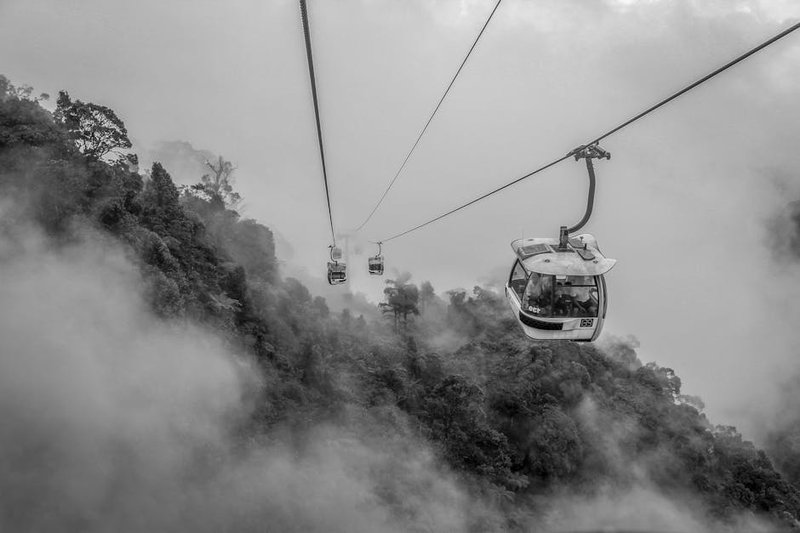
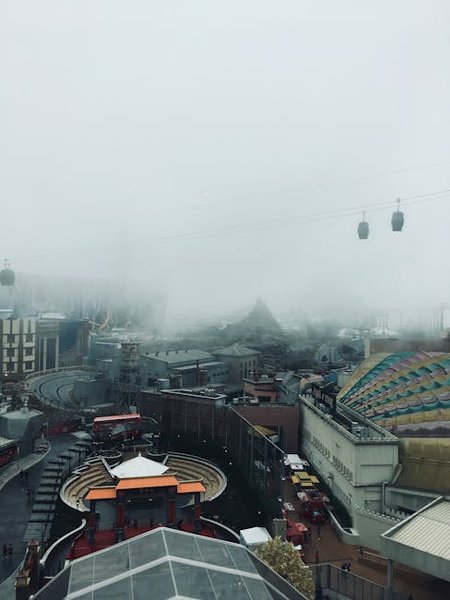
The logistics are mind-boggling. Everything, from the lettuce in your salad to the slot machines, has to be hauled up a steep, winding 20-kilometer road or sent via the Genting Skyway cable car, which is an experience in itself. The cable car isn’t just transport; it’s the ceremonial journey, lifting you physically and mentally from the mundane world into the realm of leisure. Water, waste, electricity—it’s all a ballet of engineering on a precarious slope. The resort creates its own weather pattern, often shrouded in mist, which adds to the mystique but must be a nightmare for facilities management.
A Day in the Life: From Family Fun to High-Stakes Drama
The applications of Genting, so to speak, are as varied as its visitors. It’s a chameleon.
For the Kuala Lumpur family on a weekend trip, it’s about the theme park rides, the buffet lunch, and the novelty of needing a jacket in Malaysia. I’ve been this person. I’ve spent hours queuing for a rollercoaster with my cousins, our breath visible in the cool air, laughing at the surrealism of it all. The indoor First World Plaza, with its faux European streetscapes and perpetual twilight, is a wonderland for kids and a curious, slightly dated spectacle for adults.
For the serious gambler (predominantly from other Asian countries where gambling is restricted), it’s a targeted pilgrimage. The casino floors are a world apart—windowless, timeless, thick with concentration and cigarette smoke. The clatter of chips and the whirring of roulette wheels are the soundtrack. I’ve walked through, feeling like an observer in a different universe, watching faces etched with hope, despair, and intense focus.
For the conference attendee or couple on a staycation, it’s about the hotels—from the budget-friendly First World to the opulent Genting Grand and Crockfords. It’s about a nice dinner with a view that, on a clear night, reveals a sea of twinkling lights from the towns below. It’s an escape from the heat without leaving the country.
The Double-Edged Sword: Weighing the Genting Experience
Let’s be honest. Genting Highlands is not for everyone, and it has significant pros and cons.
Advantages:
- The Climate: The 16-22°C average temperature is its primary natural advantage. It’s a legitimate respite.
- Convenient Escapism: For Malaysians and southern Thais or Singaporeans, it’s a relatively quick, visa-free getaway offering a complete package of hotel, food, and entertainment.
- Sheer Scale and Choice: You can be in a noisy arcade, a quiet coffee shop, a luxury boutique, or a concert arena within a 15-minute walk.
- A Cultural Phenomenon: It’s woven into the fabric of Malaysian life. Everyone has a Genting story.
Disadvantages:
- The Crowds: On weekends and holidays, it can be overwhelmingly packed. Queues for everything can test your sanity.
- The Weather (Yes, Really): The very mist that makes it magical also means you might not see the sun for days. It can be damp, chilly, and the outdoor attractions are often at the mercy of the clouds.
- Aesthetic Fatigue: Some areas, particularly the older sections, feel worn and trapped in a 1990s idea of glamour. The constant construction and renovation can be an eyesore.
- The Central Paradox: The omnipresence of gambling can be uncomfortable for some, and the environment inevitably attracts related social issues.
A Personal Case Study: The New Year’s Eve That Wasn’t
My most memorable Genting lesson came from a poorly planned New Year’s Eve trip with friends. Seduced by brochures showing fireworks over the mountains, we booked a room at a mid-tier hotel without considering the logistics.
Mistake 1: We assumed we could drive up easily on the 31st. The traffic was apocalyptic—a static line of cars snaking up the mountain for hours. What should have been a 90-minute drive took over four. Mistake 2: We underestimated the cold. “It’s Malaysia!” we thought. We arrived shivering in t-shirts and jeans, while savvy locals were in puffer jackets. Mistake 3: We hadn’t booked dinner. Every single restaurant, from food court to fine dining, had hours-long waits or was fully reserved.
We ended up ringing in the New Year huddled in our room, sharing overpriced instant noodles from the minibar, watching the promised fireworks on a blurry TV stream because the fog had rolled in so thick you couldn’t see ten feet. It was a disaster, but it taught me more about planning a trip to Genting Highlands than any perfect visit ever could.
How Genting Stacks Up: The Regional Competition
Genting isn’t alone in this game. It’s useful to compare it to its peers.
- Vs. Macau: Macau is the heavyweight champion, with more lavish casinos and high-roller culture. Genting is more accessible, family-oriented, and relies on its climate as a unique selling point. Macau is a flight away for most Southeast Asians; Genting is often a drive.
- Vs. Singapore (Marina Bay Sands/Resorts World Sentosa): Singapore’s resorts are sleeker, more modern, and integrated into a world-class city. Genting offers a more concentrated, removed resort experience and, crucially, that cool mountain air which Singapore decidedly lacks.
- Vs. Local Malaysian Getaways (Cameron Highlands, Fraser’s Hill): These offer purer, quieter nature and a more relaxed vibe. What they lack is the “everything under one roof” entertainment spectacle. They’re for tea and scones; Genting is for adrenaline and theatrics.
Genting’s niche is its hybrid model. It’s not trying to out-glitz Macau or out-modern Singapore. It’s offering a specific, packaged, climatically unique escape.
Navigating the Pitfalls: Lessons from the Front Line
Based on my years of hits and misses, here’s my survival guide:
- Book Everything in Advance: Hotel, popular restaurants, show tickets. Spontaneity is punished here.
- Embrace the Shoulder Periods: Avoid major holidays and weekends if you can. A Tuesday-Wednesday trip is a completely different, more pleasant experience.
- Pack for All Seasons: A waterproof jacket, layers, and sensible shoes are non-negotiable. The mountain does what it wants.
- Manage Transportation Expectations: Check traffic reports. Seriously consider the cable car (Skyway) from Gohtong Jaya to avoid the road headache, but be prepared for queues there too.
- Set a Budget (and Stick to It): This applies to everything—gambling, shopping, arcade games. The environment is designed to separate you from your money seamlessly.
- Venture Out: Don’t just stay in the resort bubble. The road down to Gohtong Jaya has strawberry farms, butterfly gardens, and roadside stalls with stunning views. It provides context and respite.
The Horizon in the Clouds: What’s Next for the Kingdom?
Genting is at a crossroads. The post-pandemic world and increasing regional competition mean it can’t rest on its laurels. The rebranding of the theme park to Genting SkyWorlds is a step towards modernization. There’s a clear push to attract a younger, international demographic with more thrilling rides and IP-based attractions.
The future, I believe, lies in doubling down on its unique advantages while modernizing its weaknesses. That means:
- Leaning into the “Highlands”: Developing more genuine outdoor mountain experiences—better hiking trails, nature walks, adventure sports—to complement the artificial attractions.
- Curbing the Chaos: Investing in crowd management tech and expanding capacity in a smarter way to improve the visitor experience.
- Evolving the Aesthetic: The ongoing renovation of the First World Hotel plaza is a sign. The resort needs to shed its 90s skin for a more sophisticated, contemporary look.
- Diversifying the Draw: More world-class, non-gaming entertainment—unique concerts, theatrical productions, culinary festivals—to solidify its reputation as a true “City of Entertainment.”
Final Thoughts: An Enduring, Complicated Love
Genting Highlands is frustrating, over-the-top, crowded, and sometimes feels like it’s trying too hard. But I keep going back. There’s a raw, pulsing energy to it that’s uniquely Malaysian—a blend of ambition, hustle, and a desire to create joy, however packaged it may be. It’s a monument to the idea that a crazy dream, carved out of a cloud-forest, can become a reality for millions.
It’s not a pristine natural retreat or a sleek urban playground. It’s its own thing: a messy, magnificent, misty mountain kingdom where fortunes are won and lost, families make memories, and you’ll always, always need a jacket. And for all its flaws, there’s still nothing quite like standing on that mountain, feeling the cool air, and watching the lights of the resort blink on as the fog descends, hiding the world below and leaving you in its own self-contained universe of possibility. Just remember to book your dinner reservation first.