Kilim Karst: Where Stone Forests Meet the Sea, and Time Itself Feels Different
I’ll be honest, my first trip to Kilim Karst Geoforest Park wasn’t born from some deep-seated passion for geology. It was more of a default choice, a box to tick on a Langkawi itinerary that promised a break from the beach. I expected a pleasant boat ride, maybe a few interesting rocks. What I got, instead, was a profound lesson in the patience of the planet, a place that quietly dismantles your sense of time and scale. Now, after countless returns—with students, with curious friends, and sometimes just for my own sanity—it feels less like a park and more like an old, complex friend whose stories I’m still learning to decipher.
Not Just Rocks: The Living, Breathing History of Kilim
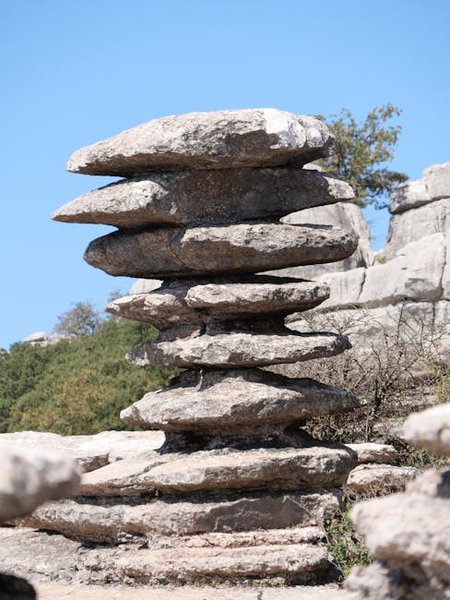
To call Kilim a “park” is almost to undersell it. This isn’t a curated garden; it’s a 100-square-kilometer page of Earth’s diary, written in limestone and edited by the sea. The story begins over 500 million years ago, in a warm, shallow sea teeming with life. Countless shells, corals, and marine organisms lived, died, and settled on the seabed, their calcium carbonate skeletons compressing over eons into the massive limestone formations we see today.
Then, the land rose. These ancient seabeds were thrust upward, exposed to the elements. This is where the magic—a slow, relentless magic—began. Rainwater, slightly acidic from absorbing carbon dioxide in the atmosphere, started to work on the limestone. It seeped into cracks, dissolving the rock along weaknesses, a process known as chemical weathering. This is the essence of karstification. Over millions of years, this dissolution sculpted the dramatic, jagged pinnacles and towers, the hidden caves and sinkholes that define the landscape. The Malay word for karst, “bukit batu kapur” (limestone hills), feels almost too gentle for these brooding, cathedral-like structures.
But Kilim’s genius is in its duality. While the rain sculpted from above, the sea arrived at its feet. The meeting of this freshwater dissolution and the tidal, saline environment created the perfect cradle for one of the world’s most vital ecosystems: the mangrove forest. Kilim isn’t just a karst landscape; it’s a karst-mangrove symbiosis. The roots of the bakau trees stabilize the sediment, creating a labyrinthine network of channels that weave through the stone giants. This interplay is what makes it a Geoforest Park—the inseparable marriage of geological heritage and vibrant, living ecology.
The Clockwork of a Geoforest: How This Natural Machine Operates
Understanding how Kilim “works” is about observing the constant, quiet transactions between rock, water, and life. It’s a slow-motion factory with several interconnected production lines.
First, the water cycle is the chief engineer. The slightly acidic rainwater (a weak carbonic acid) is the primary sculptor. It doesn’t erode by force like a river carving granite; it dissolves. It finds a fissure, widens it, creates underground conduits and caves. The famous Gua Buaya (Crocodile Cave) isn’t just a hollow; it’s a testament to a specific water table level from millennia past, a fossilized void in the rock’s memory.
Second, you have the tidal engine. The twice-daily pulse of the Andaman Sea floods the mangrove river system. This tidal flush is the park’s circulatory system. It brings in nutrients, flushes out detritus, and creates the brackish conditions that mangroves thrive in. The intricate root systems—stilt roots, pneumatophores poking up like snorkels—are biological adaptations to this waterlogged, oxygen-poor soil. They trap silt, building land literally grain by grain, which in turn protects the softer limestone bases from more aggressive wave action.
Third, and most visibly, is the biological assembly line. The mangroves are the primary producers. Their fallen leaves decompose in the water, creating a nutrient-rich soup. This feeds algae and microorganisms, which feed small fish and crustaceans hiding among the roots. These, in turn, attract larger predators. The famous Brahminy Kites circling overhead aren’t just scenic; they’re the top auditors of this system, picking off fish that venture near the surface. The oft-photographed Mudskippers and Fiddler Crabs on the banks are the shift workers, constantly processing the mud and aerating the soil. It’s a breathtakingly efficient, self-sustaining economy where waste is a foreign concept.
Beyond Postcards: The Real-World Value of a Living Laboratory
The applications of a place like Kilim aren’t found in corporate boardrooms, but in the fundamental services it provides to our planet and our understanding of it. It’s a utility of the most ancient kind.
1. The Invisible Shield: This is Kilim’s most critical, underrated application. That dense mangrove network is a world-class coastal defense system. It dissipates wave energy from storms and tsunamis far more effectively and sustainably than any concrete seawall. The roots bind the shoreline, preventing erosion. During the 2004 Indian Ocean Tsunami, areas behind healthy mangroves, like those in Kilim, consistently suffered less damage. It’s a living, growing buffer zone that pays for itself.
2. The Nursery and Pantry: For local communities, especially the fishermen, the Kilim mangroves are not a park but a larder. The roots are spawning grounds and nurseries for countless commercially important fish, prawns, and crabs. A healthy Kilim directly translates to healthier catches in the surrounding seas. It’s a lesson in upstream investment that we often ignore on land.
3. The Carbon Vault: In the fight against climate change, Kilim is a silent warrior. Mangrove forests are among the most carbon-dense ecosystems on Earth. They sequester carbon in their biomass and, more importantly, in the deep, waterlogged soils where it can be trapped for millennia. Protecting Kilim isn’t just about scenery; it’s about locking away carbon.
4. The Classroom: For geologists, biologists, and ecologists, Kilim is an open-air textbook. It allows us to study karst processes, mangrove succession, and species adaptation in real-time. It’s a baseline, a reference point for understanding how similar ecosystems elsewhere might respond to change.
The Double-Edged Sword: Beauty and Its Fragility
The advantages of Kilim are the advantages of a pristine, functioning natural system: resilience, sustainability, biodiversity, and sheer awe-inspiring beauty. It offers a form of eco-tourism that, when done right, can fund conservation and educate the public.
But the disadvantages are almost all human-made pressures on this delicate balance.
- Tourism as a Threat: Its greatest asset—its beauty—is also its biggest vulnerability. Unregulated tourism brings noise pollution that disturbs wildlife, plastic waste, and physical damage from boats anchoring on roots or visitors trampling sensitive areas. I’ve seen boats chase eagles to get a better photo, a practice that stresses these magnificent birds and disrupts their feeding.
- Development Pressure: The temptation to “develop” land nearby for resorts or aquaculture is constant. Runoff from such projects—fertilizers, pesticides, sewage—can poison the delicate brackish water balance, causing dead zones in the mangrove.
- Climate Change: Rising sea levels and changing rainfall patterns pose an existential, long-term threat. Will the mangroves be able to migrate landward fast enough as seas rise, especially when hemmed in by solid limestone cliffs? It’s an open, worrying question.
Lessons from the River: A Personal Chronicle
I remember guiding a group of university ecology students a few years back. We were observing the feeding frenzy of the kites, a spectacular scene where boatmen throw chicken skin into the air and the birds swoop down to snatch it. One sharp student asked, “But is this right? Are we making them dependent?”
It was the perfect question. This practice, while a huge tourist draw, is controversial. It does concentrate the birds in one area and alters their natural foraging behavior. My response was that it’s a compromise. The fees from these tours fund the park’s rangers and conservation efforts. The spectacle creates economic value for the local boatmen, giving them a stake in protecting the ecosystem rather than turning to destructive fishing or logging. It’s messy and imperfect, but it’s a real-world model of conservation finance. The key, as we discussed, is strict regulation—limiting the number of boats, the type of food (protein scraps, not processed food), and the hours of feeding.
Another time, on a very low tide, our boat got gently stuck in the thick, anoxic mud of a small channel. While we waited for the water to return, we got out (carefully!) and examined the mudflat. The smell of sulphur was strong—the smell of anaerobic bacteria at work. We saw bubbles rising, the exhale of the mangrove’s decomposition process. It was a visceral, slightly foul, and utterly brilliant lesson in nutrient cycling that no textbook diagram could ever match. It taught me the value of sometimes getting stuck, of letting the place dictate the pace of your learning.
What Kilim Isn’t: The Alternative Experience
People often ask how Kilim compares to other karst landscapes, like Ha Long Bay in Vietnam or Phang Nga Bay in Thailand. The similarities are obvious—towering limestone islands in water. But the difference is in the texture and the intimacy.
Ha Long Bay is grand, monumental, a seascape of epic, misty vistas. Phang Nga is dramatic, with its iconic sheer cliffs. Kilim feels more intricate, more detailed. You’re not just sailing past monuments; you’re navigating into the system, through narrow, leafy channels where the mangroves close in around you. The focus isn’t just on the grand karst cathedrals, but on the dripping roots, the scurrying crabs, the dappled light. It’s less of a panorama and more of an immersion. If the others are symphonies, Kilim is a complex piece of chamber music.
Pitfalls for the Conscious Visitor (and How to Steer Clear)
Having seen the good and the bad, here’s my practical advice for anyone visiting:
- Choosing the Wrong Boat Tour: The biggest mistake is picking the cheapest, largest group tour. These often mean crowded, noisy boats that stick only to the most crowded spots. Best Practice: Seek out a small, licensed local operator. Ask if they follow a “no chase” policy with the eagles and if they limit engine use in sensitive channels. A smaller boat can access quieter, more magical areas.
- The Disposable Mindset: Bringing single-use plastics on board is a disservice. Best Practice: Carry a refillable water bottle and a small bag for your own trash. Better yet, pick up a piece of floating trash you see—it sets a powerful example.
- Treating it as a Zoo: This is a wild place. Don’t expect guaranteed sightings or demand that the boatman “find” an animal. Loud noises and sudden movements scare wildlife. Best Practice: Be patient, be quiet, and use binoculars. The joy is in the discovery, not the delivery.
- Ignoring the Small Stuff: Everyone looks up at the kites and the big cliffs. Best Practice: Spend at least ten minutes just staring at a patch of mud. Watch the fiddler crabs duel, see the mudskippers blink (they’re fish that blink!), observe the bubbles in the sediment. This is where the park’s true story is told.
The Future: A Precarious Balance on a Rising Tide
The future of Kilim Karst Geoforest Park hangs in a delicate balance. The positive trajectory involves strengthening its status as a UNESCO-recognized global geopark, which brings stricter protections and international oversight. The hope lies in moving from spectacle-based tourism to genuine interpretive ecotourism—smaller groups, trained naturalist guides, and activities like citizen science data collection (e.g., bird counts, water quality testing).
The real challenge will be managing the boundary. The park itself may be protected, but if the lands and waters around it are degraded, it becomes an isolated island, ecologically and functionally. Integrating the park’s management with regional coastal zone planning is the next, necessary frontier.
Final Thoughts: A Testament to Time
Leaving Kilim, I’m always left with a humbling sense of scale. We fret over days and years; this landscape operates on epochs. The limestone teaches patience. The mangroves teach resilience and interconnection. The eagles teach a kind of fierce grace.
Kilim isn’t just a place you visit. It’s a place that asks you to reconsider your pace, your priorities, and your place in a much, much older story. It’s a reminder that the most sophisticated technologies on Earth aren’t in our phones, but in the tangled roots of a mangrove and the slow dissolve of a rain droplet on ancient stone. My role, whether as a guide or just a returning visitor, isn’t to explain it all, but to point at the mud, the root, the soaring bird, and the silent cliff, and simply say: “Look. Just look. And listen.” The rest, the understanding, comes not from a guidebook, but from the quiet, patient heart of the geoforest itself.