The Quiet Heart of a City: Finding Solace and Surprise in KLCC Park
I have a confession to make. For years, I thought of KLCC Park as a postcard. It was the obligatory green rectangle in every photograph of the Petronas Towers, a manicured prop designed to make the steel and glass giants look less imposing. I’d breeze through it on my way to Suria KLCC, barely registering the trees, my mind already on air-conditioning and retail therapy. My relationship with it was purely transactional—a shortcut, a photo op, a place to kill time before a movie.
That changed on a sweltering Wednesday afternoon about five years ago. Stressed, overworked, and feeling utterly suffocated by the city’s relentless pace, I found myself walking aimlessly after a difficult meeting. Instead of descending into the mall, I turned into the park. I didn’t have a plan; I just needed to not be inside. I found an empty bench under the generous canopy of a rain tree, its branches sprawling like a protective umbrella. I sat. I breathed. And for the first time, I actually looked.
What I saw wasn’t just landscaping. It was a meticulously engineered ecosystem, a 50-acre masterclass in urban design that does something remarkable: it makes a global city feel human. The roar of Jalan Ampang faded into a distant hum, replaced by the chatter of children at the playground, the rhythmic splash of the fountains, and the surprisingly loud chorus of birds. In that moment, KLCC Park stopped being a backdrop and became a sanctuary. Since then, I’ve returned hundreds of times—at dawn, at dusk, in pouring rain and blistering sun—and it has never failed to teach me something new about Kuala Lumpur, about nature in a metropolis, and about the quiet art of urban respite.

From Swamp to Symphony: The Unlikely Genesis of an Urban Oasis
To truly appreciate KLCC Park, you have to understand what it replaced. The area that now cradles Malaysia’s proudest icons was, for decades, the Kuala Lumpur Turf Club. Before that, it was largely marshland and tin tailings. The transformation is almost absurd in its ambition. In the late 1990s, as the Petronas Towers pierced the sky, the question arose: what do you put at the feet of such monumental architecture? The answer couldn’t be more concrete or another tower. The vision, led by the renowned Brazilian landscape architect Roberto Burle Marx (though he passed away during the planning, with his concepts executed by his associates), was to create a “people’s park.”
But this was no simple matter of laying sod and planting some palms. The park is built literally on top of the city. Beneath its rolling hills and lake lies Suria KLCC mall and a six-story-deep car park. The engineering is a silent marvel. The soil isn’t just dirt; it’s a complex, lightweight engineered medium that allows for deep root growth without collapsing the structures below. The lake isn’t a pond; it’s a sophisticated water management system, part of the park’s sustainable drainage infrastructure, using recycled water and supporting its own aquatic life. Every element, from the gentle slope of the land designed to guide the eye toward the towers, to the specific selection of over 1900 indigenous trees and palms, was intentional. This wasn’t nature instead of the city; it was nature in conversation with the city.
The Hidden Mechanics: More Than Just a Pretty Face
So how does this urban lung actually work? On the surface, it’s a beautiful park. But spend enough time observing its rhythms, and you start to see the intricate clockwork.
Take the symphony of the fountains. The Symphony Lake Water Fountain isn’t just for evening shows. During the day, its constant circulation aerates the water, preventing stagnation and algae growth, creating a healthier environment for the fish and turtles. I’ve spent lunch hours watching the ibises and egrets stalk the lake’s edges, a direct beneficiary of this engineered ecosystem. The water itself is part of a larger cycle, treated and reused for irrigation throughout the park.
Then there’s the plant life. This isn’t a botanical collection of exotic imports. The philosophy was “right plant, right place.” The towering Tembusu trees, with their distinctive, deeply fissured bark, are native giants that provide magnificent shade. The Gul Mohur trees explode in a riot of red and orange blossoms, marking the seasons in a city that often feels seasonless. The dedicated Orchid Garden and Hibiscus Garden are living showcases of Malaysia’s national flowers, but they also serve as educational plots. I’ve learned to identify a dozen new plant species just by reading the discreet labels—a free, open-air botany lesson.
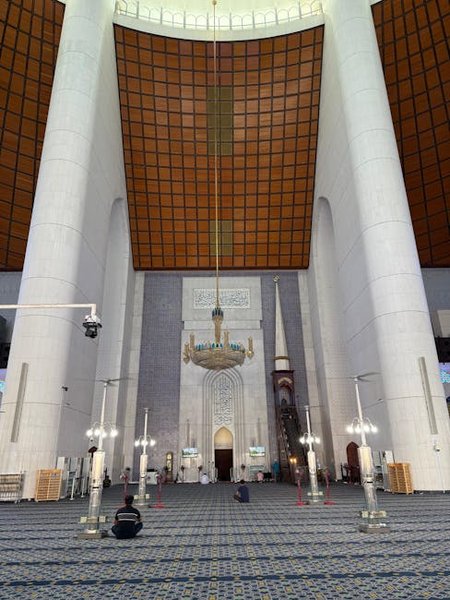
The park’s layout is a psychological masterstroke. The wide, meandering paths encourage slow strolls, not purposeful marches. The Asy-Syakirin Mosque at one end and the playground at the other create natural poles of activity and tranquility. The gentle mounds and hillocks do more than add visual interest; they create intimate, sheltered spaces. You can be 50 meters from a busy path and feel completely secluded, your view filled with greenery instead of glass. It’s a lesson in perceptual geography—how to use landform to shape experience.
The Park as a Stage: Real Life in a Designed Space
KLCC Park’s true genius is revealed in how it’s used. It’s a social condenser, bringing together every stratum of Kuala Lumpur life in a way few other places can.
Early Mornings are for the Disciplined: Arrive just after 6 AM, and the park belongs to the runners and power-walkers. You’ll see corporate types in high-tech gear, uncles in cotton tees, and groups of women walking and talking in a fast, steady stream. The 1.3km jogging track is a social equalizer. I’ve often joined this dawn parade, and there’s a silent camaraderie in the shared pursuit of health against that iconic skyline.
Weekends are for Families: The playground becomes a vortex of joyful noise. What I love observing here is the design of the play equipment—modern, safe, but challenging enough to spark imagination. Nearby, families spread picnics on the grass. I once saw an elaborate three-generation birthday party, complete with a nasi lemak feast, happening right under the watchful gaze of the towers. The park democratizes celebration; you don’t need a fancy venue to have a special day.
The Lunchtime Exodus: On weekdays, the park inhales. Office workers pour out of the surrounding towers, seeking sun, air, and a break from screens. They cluster on benches, sprawl on the grass with takeaway containers, and engage in the vital, non-digital ritual of people-watching. It’s the city’s collective deep breath.
A Canvas for Culture: The park isn’t a passive space. It hosts events that leverage its symbolic power. I’ve attended wonderful open-air concerts at the Symphony Lake, where the music seems to float on the water. During festivals like Hari Raya or Deepavali, it takes on a festive glow. It’s also a favorite for photographers, from professionals shooting fashion spreads against the dramatic backdrop to tourists trying to capture the perfect reflection of the towers in the lake. I’ve made some of my best urban photography here, learning that the light is most magical in the hour after sunrise and before sunset, when the glass facades turn to gold.
The Delicate Balance: Advantages and the Inevitable Frictions
The advantages of KLCC Park are profound. It’s a free, accessible public good in the heart of one of the world’s most expensive districts. It provides critical environmental services—cooling the urban heat island effect, improving air quality, and managing stormwater. Psychologically, it’s an antidote to urban stress, a place for restoration that requires no purchase or membership. It fosters community and social interaction across economic and cultural lines.
But such a prized space also faces pressures. Its very popularity is its biggest challenge. On major holidays, it can feel overwhelmingly crowded, and the wear and tear on the lawns is visible. Maintaining this level of manicured perfection is astronomically expensive, a constant battle against entropy. There’s also a tension in its design philosophy. To keep it safe, clean, and beautiful, certain rules are necessary: no cycling on main paths, no football on the prime lawns, no stray feeding. This can make it feel overly managed to some, lacking the wild, permissive energy of a neighborhood park. It’s a curated nature experience, which some purists might critique.
Lessons from the Lawn: Personal Epiphanies and Blunders
My own journey with the park has been filled with small lessons. I’ve learned to always carry a small umbrella, not just for rain, but for the sudden, intense sun on the open fields. I’ve learned that the best spot for a quiet read isn’t by the lake, but in the lesser-known groves near the mosque.
I’ve also made mistakes. I once planned to meet friends at “the fountain” on a Saturday evening, forgetting about the packed crowd for the light show. We spent 20 minutes frantically texting, unable to find each other in the throng. The lesson? Be specific with landmarks—“the bench next to the Pulai tree at the northeastern edge of the lake.”
Another time, I wore smooth-soled shoes after a light rain and nearly slipped on the dewy timber decking of the bridge. Footwear with grip is non-negotiable, especially if you explore after a shower.
The most consistent lesson, however, is about time. The park has a different personality every hour. The misty, ethereal quiet of dawn. The vibrant, social buzz of late afternoon. The romantic, illuminated spectacle of night. To say you’ve “been to KLCC Park” is meaningless unless you specify the when. Each visit offers a distinct experience.
Not the Only Green in Town: How It Stacks Up
Kuala Lumpur is blessed with other green spaces, and KLCC Park exists in a kind of dialogue with them. Perdana Botanical Gardens (Lake Gardens) is its older, more sprawling cousin. It has more biodiversity, larger forests, and dedicated museums. It feels more like a retreat from the city. KLCC Park feels like the heart of the city. It’s more integrated, more dramatic, and more of a daily utility for urban dwellers.
Taman Tasik Titiwangsa offers different joys—boating, wider cycling paths, a more local neighborhood vibe. But it lacks the jaw-dropping architectural context. KLCC Park’s power is in its juxtaposition. The alternatives offer escape; KLCC Park offers integration. It proves that wilderness and wonder don’t have to be on the city’s outskirts; they can be its central nervous system.
Navigating the Pitfalls: A Visitor’s Guide to Grace
To truly enjoy KLCC Park, avoid these common missteps:
- Underestimating the Sun: The Malaysian sun is merciless. Seek shade, wear a hat, and hydrate. The park has water stations—use them.
- Coming Only for the Photo: If you just snap a picture and leave, you’ve missed the point. Sit down. Stay for an hour. Let the space work on you.
- Sticking Only to the Perimeter: The paved path around the lake is the main artery, but the magic is in the capillaries—the smaller trails that wind through the tree collections.
- Forgetting It’s a Shared Space: Be mindful of others. Keep music volume personal, clean up your trash, and be aware that you’re in a public, multi-use area.
- Ignoring the Surroundings: The park is the star, but remember it’s part of the KLCC precinct. Pair your visit with a trip to the PETRONAS Gallery or the Kuala Lumpur Convention Centre for a fuller day.
The Future Leaf: What Comes Next for This Urban Icon?
The future of KLCC Park will be defined by preservation and adaptation. Climate change is a real threat; I’ve noticed the trees suffering in increasingly intense heatwaves. Future-proofing will mean careful canopy management and perhaps introducing even more resilient species. The pressure from development around its edges will be constant—the park must be vigilantly protected as an inviolable green space.
I hope to see its role as a community hub expand. More curated cultural events, outdoor learning programs for schools, and perhaps even designated times for different activities (like early-morning yoga or silent walking hours) could deepen its utility. Technology could be subtly integrated—QR codes on tree tags linking to more information, or apps showing real-time air quality benefits.
But above all, its future depends on us, the citizens who use it. It needs to be loved, used respectfully, and advocated for. It must remain not a museum piece, but a living, breathing, essential organ of the city.
Final Thoughts: A Standing Invitation
KLCC Park taught me to see Kuala Lumpur differently. It’s the city’s living room, its therapist’s couch, its gym, and its stage. It’s a testament to the idea that true luxury in a 21st-century city isn’t more marble or higher ceilings; it’s the luxury of accessible space, of quiet, of dappled sunlight on grass, and of a horizon filled with both soaring human achievement and the steadfast, gentle persistence of nature.
So, if you find yourself in Kuala Lumpur, drawn to the towers, do this: go to the park first. Sit under a tree. Watch the water. Observe the people. Let the city’s frantic energy settle around you. You’ll discover that the most impressive sight isn’t just the structures that scrape the sky, but the thoughtful, vibrant ground from which they rise. The park is a standing invitation to pause, and in that pause, to truly see.