The Unpolished Gem: Finding the Soul of Langkawi Beyond the Postcard
I have a confession to make. The first time I went to Langkawi, I was disappointed.
Let me explain. I’d arrived with a head full of glossy brochure images: endless stretches of flawless white sand, cocktails at sunset, and a seamless, sanitised island paradise. What I found instead, on that initial taxi ride from the airport, was something… grittier. Lush, untamed jungle pressed against the roadside, punctuated by modest villages, roadside stalls selling roti canai, and the occasional water buffalo contemplating life in a ditch. It felt raw, real, and a world away from the manicured perfection of other regional resorts. I was wrong to be disappointed. It took me a few days, a few wrong turns, and a few conversations to realise that I wasn’t in a manufactured resort; I was on an island with a pulse, a history, and a defiantly independent spirit. That’s the Langkawi I fell in love with, and the one I keep returning to.

Langkawi isn’t just a place you visit; it’s a place you unravel. It’s a 99-island archipelago in the Andaman Sea, off Malaysia’s northwest coast, but the main island is the beating heart. Its name is thought to derive from the Malay words for ‘eagle’ (helang) and ‘strong’ (kawi), and you’ll see the majestic Brahminy kites, often mistaken for eagles, soaring everywhere—a fitting symbol for an island that feels both ancient and airborne. For decades, it was a sleepy backwater, known more for its myths of cursed princesses and forlorn beaches than for tourism. That all changed in 1987 when then-Prime Minister Mahathir Mohamad, a Langkawi native, declared it a duty-free zone and kickstarted its development. The transformation was dramatic, but unlike some destinations, it didn’t completely erase the island’s character. Instead, it created a fascinating, sometimes awkward, always compelling blend of the old and the new.
The Lay of the Land: Beaches, Jungles, and Sky
To understand how Langkawi “works,” you have to ditch the idea of a single, central hub. The island operates like a collection of distinct personalities, each offering a different experience.
The Western Beaches: Pantai Cenang & Pantai Tengah This is the island’s bustling tourist engine. Pantai Cenang is a two-kilometer stretch of decent sand that absolutely comes alive at sunset. It’s lined with hotels ranging from budget guesthouses to sleek resorts, an endless array of restaurants (from mediocre tourist traps to genuinely excellent Thai and seafood spots), and bars that spill onto the beach. It’s chaotic, vibrant, and unapologetically commercial. Just south, Pantai Tengah is slightly more subdued, with a mix of family-friendly resorts and a quieter stretch of sand. This is where you come for convenience, for people-watching, and for that classic beach holiday energy. The sunset here, with paragliders silhouetted against an orange sky, is a daily ritual not to be missed.
The Northern Serenity: Tanjung Rhu & The Datai Head north, and the atmosphere shifts palpably. The roads wind past limestone cliffs and mangrove forests, opening up to the breathtaking Tanjung Rhu beach. Here, the sand is finer, the water calmer, and the crowds dissipate. This is the domain of high-end resorts like the Four Seasons and The Datai. The Datai, in particular, is a case study in luxury integrated with nature. Nestled in a 10-million-year-old rainforest, it feels less like a hotel and more like a privileged outpost in a primordial world. A stay here is an investment, but walking through its rainforest canopy walkway at dawn, hearing nothing but gibbons and insects, is a transcendent experience. Even if you’re not staying, driving up to Tanjung Rhu for a public beach day reveals a different, more serene Langkawi.

The Eastern Workaday World: Kuah Town Kuah is the administrative and commercial port town. Most tourists only see it as a blur from the ferry or a quick stop for duty-free chocolate and alcohol. But spend an hour wandering its waterfront, with the giant eagle statue (Dataran Lang) taking flight, and you’ll see the island’s everyday life. The hardware stores, the local kopitiams (coffee shops), the ferry terminals buzzing with activity—this is the functional heart that keeps the resort body alive. The duty-free shopping is genuinely good value here, especially for electronics, chocolates, and alcohol.
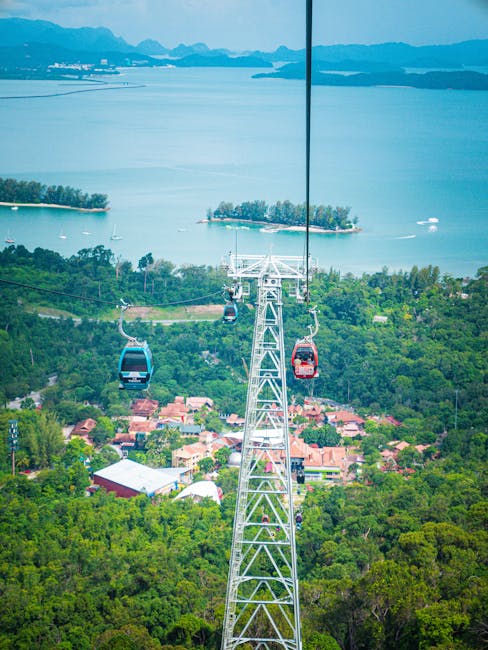
The Interior & Southern Wilds The island’s spine is a mountainous, jungle-clad interior, dominated by Gunung Mat Cincang. This is the realm of the Langkawi SkyCab, the steepest cable car ride in the world, which whisks you from the Oriental Village up to the dizzying SkyBridge. The views are, frankly, staggering—a 360-degree panorama of the archipelago, jungle, and sea. It’s a major attraction and can get packed, so go early. The southern parts of the island, like the sleepy fishing village of Teluk Ewa, offer a glimpse into a slower, almost forgotten pace of life.
Applications in the Real World: More Than a Beach Break
Langkawi’s real magic lies in how these elements combine to offer more than just a sunburn. It’s a versatile destination.
For the Nature Lover: This is where Langkawi shines. The Kilim Karst Geoforest Park is a UNESCO-listed wonder. A boat tour through its ancient mangrove forests, past limestone karsts sculpted by time, is a humbling biology lesson. You’ll spot brahminy kites, monitor lizards, and if you’re lucky, the elusive sea eagles. I’ll never forget the silence of floating down a narrow mangrove channel, the only sound being the drip of water from the overhanging roots. It’s a world away from Cenang’s buzz. Similarly, a hike through the Machinchang Cambrian Geoforest to the Telaga Tujuh (Seven Wells) waterfalls lets you swim in natural rock pools with views of the coast. It’s a moderate climb, but the reward is pure, cool refreshment.
For the Food Adventurer: Skip the generic pizza places on Cenang. Langkawi’s food scene is a delightful mix of Malay, Thai, and Chinese influences. The night markets (pasar malam) are a must. They rotate locations each night, and wandering through them is a sensory feast. For a few ringgit, you can feast on ayam percik (grilled spiced chicken), murtabak, fresh satay, and an array of mysterious and delicious desserts. One of my best meals was at a simple, family-run Malay restaurant in a village called Padang Matsirat, where the ikan bakar (grilled fish) with spicy sambal sauce was life-changingly good. For seafood, the cluster of rustic restaurants on Fish Farm Road in Kuah offers the freshest catch, chosen straight from tanks.
For the Culture & Myth Seeker: Langkawi is steeped in legend. The most famous is the story of Mahsuri, a princess wrongly accused of adultery and executed in the early 19th century. With her dying breath, she cursed the island to seven generations of bad luck. Locals will tell you the curse manifested in failed crops and Siamese invasions. The Mahsuri Mausoleum is a peaceful spot that tells her story. Whether you buy into the myth or not, it’s a poignant reminder of the island’s layered past. The Langkawi Craft Complex is also worth a visit to see traditional batik and craft-making, though it feels a bit quiet these days.
The Trade-Offs: Sun, Sand, and a Few Snags
Langkawi isn’t perfect, and its charms come with caveats.
Advantages:
- Duty-Free: Alcohol and chocolate are significantly cheaper, making sundowners on the beach a very affordable pleasure.
- Natural Diversity: Where else can you hike a rainforest, explore mangroves, laze on a beach, and take a cable car to a mountain peak all in one day?
- Accessibility: It’s well-connected by air from Kuala Lumpur, Singapore, and Penang, and the ferry from Penang or Kuala Perlis is a scenic option.
- Range of Accommodation: There’s something for every budget, from hostels to some of the world’s top luxury resorts.
- Generally Safe and Friendly: The crime rate is low, and the locals are typically warm and welcoming.
Disadvantages:
- The Beaches Aren’t the Region’s Best: Let’s be honest. Compared to the powder sand of the Philippines or Thailand’s islands, Langkawi’s beaches are good, not great. They can be slightly coarse, and the water isn’t always crystal-clear turquoise.
- Hit-or-Miss Dining in Tourist Zones: Pantai Cenang is riddled with overpriced, underwhelming Western food aimed at tourists. You need to seek out the good stuff.
- Transportation Hassle: There’s no real public transport. Your options are taxis (which use a fixed, non-metered rate card and can be pricey for long trips), ride-hailing apps (Grab operates here, a lifesaver), or renting a car or scooter. Renting is highly recommended for freedom.
- Weather Dependency: The rainy season (roughly April-May & Sept-Oct) can bring heavy, prolonged downpours that shut down outdoor activities.
Lessons from the Road: My Langkawi Blunders and Breakthroughs
I’ve made my share of mistakes here, so you don’t have to.
Mistake #1: Not Renting a Car Immediately. I spent my first trip overpaying for taxis and feeling stuck in Cenang. On my second visit, I rented a small car at the airport for about $25 a day. It was transformative. We explored hidden beaches, followed random signs to waterfalls, and found that incredible village restaurant. The driving is easy (they drive on the left), and the freedom is priceless.
Mistake #2: Only Eating on Cenang. We survived on mediocre pasta and over-grilled fish for two days before a friendly hotel clerk pointed us to the pasar malam schedule. It was a culinary revelation. Best Practice: Ask a local—your hotel receptionist, a shopkeeper—where they eat. “Where’s the best nasi lemak around here?” is a golden question.
Mistake #3: Trying to Do the SkyCab on a Weekend Afternoon. We queued for nearly two hours in sweltering heat. The experience was marred by the crowd. Best Practice: Go on a weekday, and be at the ticket counter for opening time (usually 9:30 AM). You’ll have the SkyBridge almost to yourself.
A Personal Breakthrough: On a whim, we booked a sunset dinner cruise. I was skeptical—it sounded cheesy. But sailing on a traditional tongkang (wooden boat) through the islands, jumping off the side into the warm sea, watching the sky explode into colour while eating barbecue, was an utterly joyful, communal experience. It’s touristy, yes, but done right, it’s pure, unadulterated fun.

The Langkawi Alternatives: How It Stacks Up
People often ask how it compares to Penang or Phuket.
- Vs. Penang: Penang is about urban culture, arguably the best food in Malaysia, and history. Langkawi is about nature, relaxation, and beach life. They complement each other perfectly—many do a combined trip, taking the ferry from Penang.
- Vs. Phuket: Phuket is bigger, brasher, with a more intense nightlife scene and generally prettier, more accessible beaches. Langkawi is more subdued, culturally Malay-Muslim (so less of a party island), and offers a more integrated natural experience with its geoforests. It feels less “discovered” by mass tourism.
The Road Ahead: Sustainable Soul or Sold-Out?
Langkawi stands at a crossroads. The recent push for more development, including major new projects, worries many. The risk is that it becomes another generic luxury destination, pricing out the local character that makes it special. The challenge for Langkawi’s future is sustainable tourism that protects its incredible natural geo-heritage—the mangroves, the rainforests, the geoparks—while supporting local communities. The success of places like the Geoforest Park shows there’s an appetite for this. The hope is that development leans into what makes Langkawi unique: its raw, geological beauty and its culture, rather than trying to pave it over with imported concepts.
Final Thoughts: Letting Langkawi Reveal Itself
Langkawi won’t overwhelm you with immediate, Instagram-perfect beauty. It’s not that kind of island. Its beauty is earned. It’s in the mist clinging to the Machinchang range at dawn. It’s in the smile of the old man selling cendol by the roadside. It’s in the eerie silence of the mangrove forests and the raucous joy of a night market. It reveals itself slowly, to those willing to explore beyond the resort gate, rent a car, get a little lost, and talk to a local.
So, go for the duty-free gin, sure. Go for the cable car views. But stay for the moments in between—the unplanned detour, the unexpected meal, the feeling that you’re on an island that still, defiantly, belongs to itself. That’s the real Langkawi, and it’s worth every bit of the journey.