The Unlikely Magic of Semporna: Where the Sea Gives and Takes
I didn’t come to Semporna for the postcard. I came, like many do, chasing a dream of underwater cathedrals and schools of technicolor fish. But what I found, and what keeps pulling me back, is something far more complex, raw, and profoundly human. Semporna isn’t just a destination; it’s a living, breathing paradox—a place of staggering natural beauty built upon a delicate, often heartbreaking, equilibrium. To understand it, you have to look past the glossy brochures of Sipadan Island and into the water itself, into the stilt villages, and into the eyes of the people who call this place home.
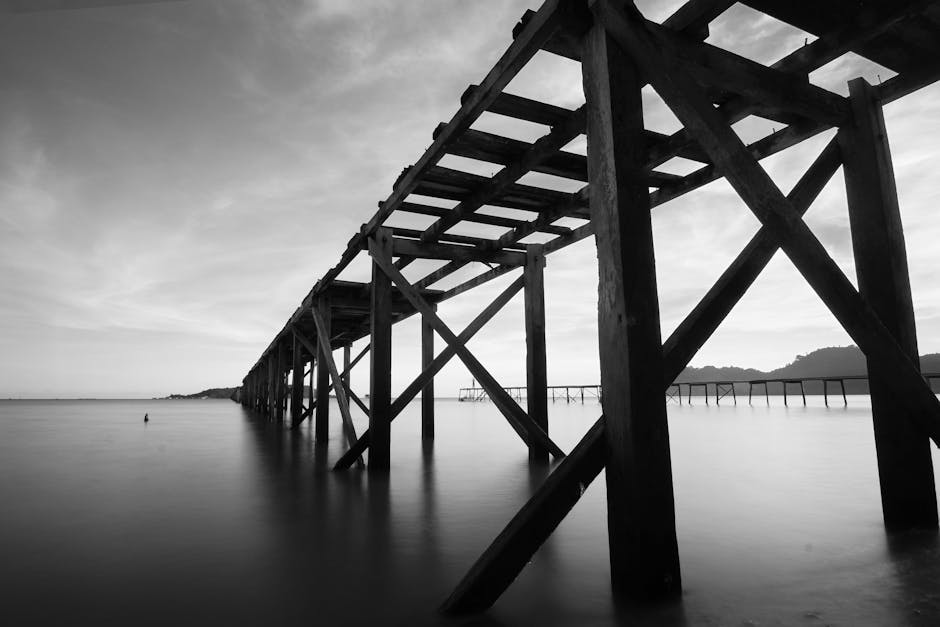
My first glimpse was from the window of a rattling minivan, the air thick with humidity and the scent of salt and drying fish. The town unfolded like a haphazard sketch: a bustling waterfront of wooden shops and guesthouses, a forest of masts from fishing boats and dive vessels, and beyond, the impossibly turquoise canvas of the Celebes Sea, dotted with the silhouettes of distant islands. It felt less like a resort town and more like a frontier outpost, which, in many ways, it is.
 The vibrant, chaotic waterfront of Semporna town, a gateway to a marine paradise.
A Tapestry Woven from Salt and History
To grasp modern Semporna, you have to rewind. The name itself, derived from the Malay word sempurna meaning “perfect,” feels almost like a hopeful prayer. For centuries, this corner of Sabah was a backwater, home to the Bajau Laut—the “Sea Gypsies”—a nomadic maritime people who lived almost entirely on their boats, their lives dictated by the tides and the monsoons. They were, and many still are, among the most free-diving humans on the planet, able to descend to dizzying depths on a single breath to hunt with handmade spearguns.
The modern history of Semporna is inextricably linked to the sea’s bounty. It was a trading post for sea cucumbers, pearls, and fish. But the true transformation began in the late 20th century when a few pioneering divers, led by the legendary “Uncle” Clement Lee, began to whisper about an island called Sipadan. They spoke of vertical walls dropping into the abyss, of swirling tornados of barracuda, and of turtles so numerous you had to be careful not to bump into them. Word spread, and Semporna morphed from a fishing town into the dive capital of Malaysia.
This boom, however, created a new tension. The traditional, subsistence-based life of the Bajau Laut collided with the modern, conservation-focused economy of diving. The very act that sustained them—fishing, sometimes with destructive methods—now threatened the golden goose. Add to this a complex socio-political landscape, issues of citizenship for stateless communities, and the pressures of poverty, and you have the intricate, sometimes fraught, backdrop against which Semporna’s beauty plays out.
How Semporna Works: An Ecosystem in Microcosm
Technically, Semporna is a district. But functionally, it’s an engine powered by a single, magnificent resource: the Semporna Priority Conservation Area (PCA), one of the most biodiverse marine regions on Earth. The “how” of Semporna is the interplay between its components:
- The Engine Room (The Reefs): The coral reefs, particularly around Sipadan, Mabul, and Kapalai, are the primary attractor. They are complex, living cities that support everything from microscopic plankton to reef sharks. Their health is the single biggest indicator of Semporna’s future.
- The Workforce (The People): This includes everyone from the dive guides who can spot a pygmy seahorse from ten feet away, to the Bajau fishermen, to the homestay owners on Mabul. Their livelihoods are directly tied to the sea, but their relationships with it differ vastly.
- The Fuel (Tourism): The influx of divers and, increasingly, casual tourists provides the capital. This fuel can power conservation (through park fees and employment) or cause degradation (through physical damage and waste).
- The Governance (The Rules): The most critical, and often most contentious, part. This includes the Sipadan permit system (strictly limited to 176 divers per day), marine protected area (MPA) regulations, and enforcement against illegal fishing. This is the system that attempts to balance extraction with preservation.
The magic—and the struggle—happens in the connections between these parts. A successful dive guide from the local community becomes a conservation advocate. A former fisherman finds more reliable income as a boat captain for a dive resort. Tourist dollars fund community projects. But when the system falters—when enforcement is weak, when poverty is acute, when tourist numbers are mismanaged—the entire engine risks seizing up. The heartbreaking sight of blast-fished coral rubble, which I’ve seen on less-patrolled reefs, is a symptom of that failure.
Real-World Applications: More Than Just a Dive Log
Most visitors experience Semporna’s application as a series of dives. But living there for stretches of time, you see the broader applications of this unique social-ecological experiment.
1. Community-Based Tourism: On islands like Mabul, the application is direct. Resorts sit cheek-by-jowl with stilt villages. The best operations don’t just employ locals; they integrate. I remember joining a “Reef Guardian” program run by a resort in partnership with the village. Local kids, who could swim before they could walk, were being taught marine biology in their own language. They learned that the bun-bun (giant clam) they saw while playing was not just food, but a vital part of the reef. This is applied conservation—making the abstract value of biodiversity tangible.
2. The Sipadan Model: Sipadan is the world’s case study in high-value, low-impact tourism. By auctioning a limited number of permits to dive operators, the government creates scarcity that drives up price, ensuring high revenue from minimal human traffic. The result? While reefs worldwide bleach and die, Sipadan’s walls remain shockingly vibrant. The application here is a blueprint: protect the crown jewel absolutely, and let it fund the protection of surrounding areas. The challenge is ensuring those funds are effectively channeled back into the wider ecosystem and communities.
3. Alternative Livelihoods: This is the most crucial real-world application. I’ve met Bajau women who now create intricate beadwork sold in resort boutiques, their traditional patterns finding a new market. I’ve seen men transition from fishing to maintaining mooring buoys, preventing anchor damage. These aren’t charity projects; they are economic adaptations. The most successful ones, like community-run homestays, leverage existing skills—hospitality, boat handling, knowledge of the sea—and redirect them.
The Duality of Paradise: Weighing the Scales
Advantages:
- Unmatched Biodiversity: It’s not hyperbole. The sheer density and variety of marine life, from macro critters to pelagics, is mind-bending.
- A Living Cultural Heritage: Interacting with the Bajau communities offers a perspective on human resilience and connection to nature that is vanishing from the world.
- Proven Conservation Model: The Sipadan permit system shows that strict regulation, when enforced, works spectacularly well.
- Economic Engine: It provides a vital economic lifeline for a remote region of Sabah.
Disadvantages & Challenges:
- Fragile & Under Pressure: The ecosystem is perpetually on a knife’s edge, threatened by climate change, local pollution, and residual illegal fishing.
- Socio-Economic Disparity: The wealth generated by tourism doesn’t always trickle down evenly, leading to visible inequality between resort staff and village residents.
- Logistical Hurdles: It’s not a cushy getaway. Travel is long, infrastructure is basic in town, and the journey to the islands can be rough.
- The “Sipadan or Bust” Mentality: Many divers come only for Sipadan, treating islands like Mabul as mere dormitories, missing their unique charm and conservation story.
Lessons from the Water: A Personal Case Study
My most profound lesson came not on Sipadan, but on the house reef of a budget resort on Mabul. It was 2016, and the El Niño bleaching event had hit hard. I suited up expecting a graveyard. And while large swathes of coral were bone white, something miraculous was happening. In the nooks and crannies, tiny, vibrant coral polyps had recruited. Juvenile fish darted through the survivors. A dedicated team of local dive guides and conservation staff had installed coral nurseries—simple structures of PVC and rope where fragments were grown and later out-planted.
I spent a week helping them, in my small way. We’d carefully clean the nursery frames, monitor growth, and gently wedge new fragments into the reef. The head guide, a soft-spoken man named Arman, said something I’ll never forget: “The sea is sick, but it wants to heal. We are just the nurses. We cannot make the medicine, but we can help it take it.” That week reframed everything for me. Semporna isn’t about preserving a static museum piece. It’s about active, gritty, hopeful restoration. It’s nursing a patient back to health while the world outside the hospital is still on fire.
The Alternatives: What Semporna Isn’t
People often ask how it compares to other dive meccas.
- vs. The Red Sea: The Red Sea offers wreck diving and reliable pelagics, but it lacks the cultural layer and the intense, concentrated biodiversity of Semporna’s muck and reef diving.
- vs. Raja Ampat: Raja Ampat is arguably more pristine and vast, but it’s also more remote and expensive. Semporna feels more accessible and “lived-in,” with a more immediate human story intertwined with the marine one.
- vs. Caribbean Resorts: There’s no comparison. Caribbean diving is often a curated, resort-based experience. Semporna is wilder, grittier, and demands more engagement from the traveler. You’re not a passive spectator; you’re a participant in a complex narrative.
Common Pitfalls and How to Steer Clear
- The Sipadan Obsession: Booking a trip solely for a Sipadan permit is a gamble (permits are allocated daily by lottery). Avoid it by building an itinerary that celebrates the other islands. Mabul’s muck diving is world-class. Kapalai is surreal. Mataking is beautiful. Love Semporna for all it offers.
- Cultural Insensitivity: Staring like you’re at a zoo or handing out sweets to children in the villages is damaging. Avoid it by booking tours with operators who facilitate respectful, guided cultural exchanges. Listen, don’t just look. Support local artisans by buying their crafts at a fair price.
- Choosing Price Over Principle: The cheapest operator may cut corners on safety, boat maintenance, or staff pay, which ultimately harms the local economy and environment. Avoid it by researching operators committed to sustainability, who employ and train locals, and who have robust environmental policies.
- Environmental Footprint: This is basic but critical. Avoid it by using reef-safe sunscreen, refusing single-use plastics, maintaining perfect buoyancy, and never touching anything. Be a ghost in the water.
The Future: A Cautious Hope
The future of Semporna hinges on integration. The old model of “fortress conservation”—keeping people out—has failed here. The future is about weaving the community and the economy ever tighter into the fabric of protection.
I see hope in the next generation. More local kids are becoming marine biologists, dive instructors, and conservation officers. They are the bridge. I see hope in technology, like the use of drone and satellite monitoring for illegal fishing. I see hope in the slow, hard work of NGOs and forward-thinking businesses creating viable alternative livelihoods that value a live shark more than a dead one.
But hope requires vigilance. It requires tourists to make conscious choices. It requires authorities to be transparent and fair with the revenue Sipadan generates. It requires the global community to get serious about climate change, because no amount of local nursing can save a patient from a planetary fever.
Semporna taught me that paradise isn’t a place you find. It’s a balance you strive for, a pact between people and place that must be constantly renewed. It’s imperfect, challenging, and at times, visibly wounded. But in its waters, amidst the recovering coral and the watchful eyes of the Bajau children now learning to be its guardians, I’ve seen a stubborn, powerful will to endure. You don’t just visit Semporna. You learn from it. And if you listen closely, it will tell you a story about our whole blue planet—a story of loss, resilience, and the fragile, perfect chance to get things right.