The Unforgettable Pull of Sipadan: A Diver’s Love Letter to a Living Volcano
I remember the exact moment Sipadan got under my skin. It wasn’t on a dive, but in a dimly lit dive shop in Kota Kinabalu, years ago. A grizzled German instructor, his forearms a roadmap of sunspots and coral scars, was cleaning his gear. I asked him, casually, where the best diving in Malaysia was. He didn’t even look up. “Sipadan,” he said, the word hanging in the humid air like a promise. “Everything else is just practice.” That offhand comment, delivered with such absolute conviction, planted a seed. It took me two years to get there, navigating permits and logistics, but from the moment I rolled backwards off the boat into that cerulean water, I understood. He wasn’t exaggerating. Sipadan isn’t just a dive site; it’s a primal, overwhelming spectacle of life, a place that recalibrates your understanding of what the ocean can be.
My name is [Your Name/Author’s Persona], and I’ve been a marine biologist and dive professional for over fifteen years. I’ve been lucky enough to log hundreds of dives across the Coral Triangle, but I keep returning to Sipadan, leading expeditions and simply soaking in its magic. This isn’t a tourist brochure; it’s a deep dive into the soul of the island, warts and all, from its fiery origins to the delicate dance of conservation that keeps it alive today.

A Pinprick of Life on a Volcanic Pillar: The Geology of a Miracle
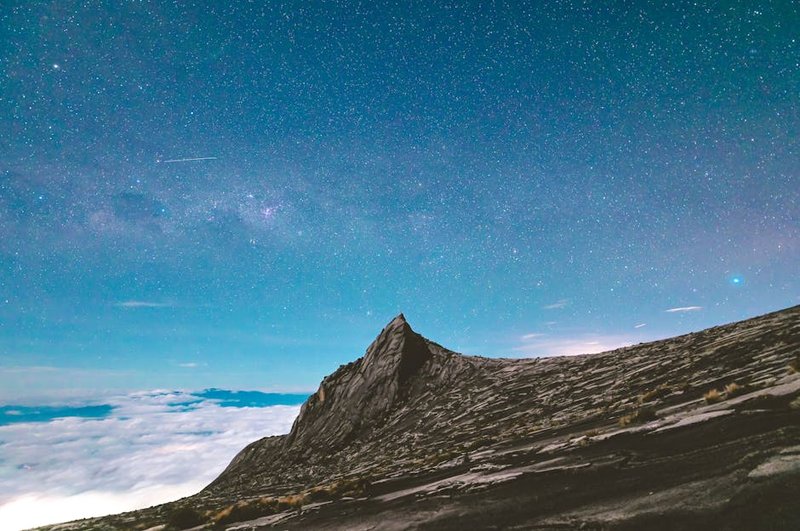
To truly appreciate Sipadan, you need to start not with what’s on it, but with what’s under it. Forget sandy atolls or shallow reefs. Sipadan is an oceanic pinnacle. It’s the very tip of an extinct undersea volcano, rising a sheer 600 meters (nearly 2000 feet) from the abyssal plain of the Celebes Sea. This isn’t a gentle slope; it’s a cliff. This dramatic topography is the first secret to its magic.
While most coral islands have a gently sloping reef shelf, Sipadan’s walls plunge into the blue almost immediately. This creates a phenomenon oceanographers call “upwelling.” Deep, nutrient-rich water is forced upwards along these sheer walls, acting as a constant, natural fertilizer. This nutrient soup fuels an explosion of plankton, the foundational base of the entire marine food web. Where there’s plankton, there’s small fish. Where there are small fish, there are big fish. And where there are big fish, there are predators. Sipadan’s geology built a vertical metropolis, a 600-meter-tall skyscraper of life in the middle of an oceanic desert.
Historically, the island was a seasonal stop for Bajau Laut fishermen (sea gypsies) and had a small Malaysian police post. Its modern fame began in the late 1980s when legends like Jacques Cousteau featured it in his documentary, The Ghost of the Sea Turtles. He famously called it “an untouched piece of art,” and the diving world took immediate notice. This fame, unfortunately, was a double-edged sword. By the early 2000s, unregulated tourism had taken a severe toll. Resorts were built directly on the island, damaging the fragile ecosystem. The Malaysian government, to its credit, made a radical and controversial decision in 2005: they evicted all resorts and made Sipadan a protected national park. Today, no one is allowed to stay on the island overnight. Access is strictly limited to 120 divers per day via a permit system, a model of conservation I’ve seen become both a lifesaver and a logistical headache.
The Symphony of the Drop-Off: How Sipadan “Works”
So, what’s the actual experience? How does this living volcano “function” for a diver? It’s a multi-act play, with different scenes unfolding at different depths and locations around the island’s 12-kilometer circumference.
The most iconic experience is The Wall Dive. You descend along a vertical carpet of stunningly healthy hard corals—vibrant staghorns, massive brain corals, delicate sea fans. As you go deeper, the reef gives way to the sheer wall, draped in soft corals that filter-feed on the rich currents. You hover at 20 meters, feeling utterly insignificant. Below you is a bottomless blue void. In front of you, the wall is a bustling highway. Schools of chevron barracuda form shifting, silver tornadoes. Massive bumphead parrotfish, looking like prehistoric bulldozers, crunch noisily on coral. This is the “pelagic action” zone, where the open ocean predators come to the dinner table.
Then there’s the Turtle Traffic. Sipadan is a critical nesting ground for green and hawksbill turtles. On any given dive, seeing a dozen turtles is normal; seeing two dozen is common. They are everywhere—sleeping in crevices, munching on sponges, gliding gracefully along the wall. At sites like Turtle Cavern (a site for advanced divers only due to its overhead environment), you can see the skeletal remains of turtles that entered the labyrinthine caves to die, a sobering and sacred sight. The density is simply unmatched anywhere else I’ve been.
The third act is the Shark Feed. While actual feeding is now banned (a critical rule we’ll discuss later), sites like Barracuda Point and South Point are where Sipadan’s top predators congregate. It’s not unusual to see schools of dozens of grey reef sharks and whitetip reef sharks patrolling the currents. The occasional hammerhead or thresher shark sighting sends a jolt of electricity through even the most seasoned dive group. The key here is the current. Sipadan dives are often drift dives, where you ride the current like an underwater rollercoaster. It’s this constant flow of water that brings the big pelagics in and creates the electrifying sense of being in a vast, wild ocean.
A Case Study in Conservation: Sipadan’s Real-World Application
Sipadan’s greatest modern application isn’t tourism; it’s a living laboratory for high-value, low-impact conservation. The 120-permit system is a masterclass in managing human desire against ecological limits. Each morning, a handful of licensed dive operators based on the nearby islands of Mabul and Kapalai collect their allocated permits. You can’t buy your way in; if the permits are gone, you wait. This system has directly led to the island’s remarkable recovery.
I’ve witnessed this recovery firsthand. Early in my career, I saw videos from the early 2000s: crowded dive sites, damaged coral from careless fin kicks, stressed wildlife. Returning now, the difference is stark. The coral reefs are robust and resilient. The fish populations, especially the larger predators, are visibly more abundant and less skittish. The turtle population is thriving. This proves a vital point: when you give nature space and enforce strict rules, it bounces back with astonishing speed.
However, the model isn’t perfect. It has created a two-tier system. The nearby island of Mabul, while wonderful for muck diving (finding tiny, rare critters), now bears the brunt of the tourism infrastructure. It can feel overcrowded, a stark contrast to the pristine wilderness of Sipadan just a 20-minute boat ride away. It’s a constant reminder that conservation often just displaces pressure; solving one problem can create another.
The Bitter and the Sweet: Advantages and Inevitable Challenges
The Advantages are obvious:
- Unrivaled Biodiversity & Pelagic Action: The concentration of large marine life in a small, accessible area is arguably the best in Southeast Asia.
- A Conservation Success Story: Diving here feels ethical. You’re part of a managed system designed to protect, not exploit.
- The “Wow” Factor: It delivers, consistently. It’s almost impossible to have a “bad” dive at Sipadan.
- Vertical Drama: The wall diving is psychologically breathtaking, offering a unique sense of scale and adventure.
The Disadvantages are logistical and human:
- The Permit Lottery: Not getting a permit after traveling halfway across the world is a real, gut-wrenching risk. You must book with a reputable operator months in advance and be flexible with your dates.
- Crowds at the Peak: Even with 120 people, popular sites like Barracuda Point can feel busy at peak times. You’re sharing the spectacle with several other boats.
- Advanced Conditions: The currents can be strong and unpredictable. This is not a destination for new or nervous divers. Buoyancy control is non-negotiable; crashing into the reef is an ecological sin.
- Cost: This is a premium destination. The permits, the liveaboard or resort stay on Mabul, and the travel to remote Semporna add up.
Lessons from the Blue: Personal Stories and Near-Misses
I’ll never forget leading a group of excited but relatively inexperienced divers to Barracuda Point. The current was ripping, stronger than the briefing predicted. We descended and were immediately swept along the wall like leaves in a gutter. The action was insane—a school of a thousand barracuda formed a solid, swirling wall above us. But I could see the wide eyes behind my divers’ masks. The thrill was tipping into anxiety. We had to abort the dive early and regroup on the surface. The lesson? Never let the pursuit of the spectacle override safety. Sipadan’s conditions demand respect. A good dive guide knows when to push forward and when to call it.
Another time, I saw a diver, enthralled by a sleeping turtle, reach out and touch its shell. A fellow guide from another operation didn’t hesitate. He swam over, forcefully tapped the offender’s tank, and gave a firm “no” signal. It was a public shaming, but a necessary one. This touches on a common pitfall: complacency and entitlement. Some divers, having paid a lot of money, feel the rules don’t apply to them. They chase sharks, touch turtles, or stand on coral for a photo. The single most important practice at Sipadan is impeccable buoyancy and a strict hands-off policy. We are visitors in their home. The best operators and guides enforce this culture relentlessly.
Sipadan vs. The Alternatives: Where Does It Stand?
How does Sipadan compare to other world-class dive destinations?
- vs. The Coral Triangle (Raja Ampat, Komodo): Raja Ampat wins for sheer scale and pristine coral biodiversity. It’s a vast archipelago. Sipadan wins for concentrated, large pelagic action. It’s more of a “greatest hits” compilation. Komodo offers similar currents and big fish, but with a colder, nutrient-rich water palette and less reliable turtle sightings.
- vs. The Caribbean: There’s no comparison for pelagics. The Caribbean has lovely reefs and wrecks, but it lacks the sheer density of sharks and schooling fish.
- vs. The Red Sea: The Red Sea has beautiful walls and wrecks, and sites like the Brothers offer thrilling shark encounters. But Sipadan’s combination of walls, turtles, and sharks in warm, clear water is a unique trifecta.
Sipadan’s niche is its intensity and accessibility. You don’t need a 10-day liveaboard to see its wonders; you can experience its heart in 3-4 dives.
The Road Ahead: Preserving the Magic
The future of Sipadan hinges on maintaining the delicate balance of the last 15 years. The permit system must be defended against commercial pressure to increase numbers. Enforcement against illegal fishing in the surrounding protected area needs to be constant and well-funded.
The next frontier is climate change. Rising sea temperatures and ocean acidification are global threats no permit system can stop. I’ve already noted subtle shifts in coral composition on some slopes. The long-term health of Sipadan is inextricably linked to global action on emissions.
Furthermore, the education of divers must evolve. It’s not enough to just see the animals; divers must leave as ambassadors. The best operators now include detailed briefings on marine ecology and the specific reasons for Sipadan’s rules.
A Final Descent
Sipadan is a relic of a wilder ocean. It’s a testament to what happens when geology, oceanography, and life conspire to create something extraordinary. It’s also a testament to human capacity for both destruction and correction.
Diving there isn’t a casual holiday activity; it’s a pilgrimage. It requires planning, patience, respect, and a bit of luck. You will be humbled by the currents, awed by the life, and, if you’re doing it right, leave with a profound sense of responsibility.
That grizzled diver in Kota Kinabalu was right. After Sipadan, everything else does feel a bit like practice. It leaves a mark on you, a longing for that vertical blue world that ensures, no matter where I go, I’ll always be planning my return to the tip of that ancient volcano.