Finding Serenity in the City: My Journey Through Kuala Lumpur’s Thean Hou Temple
The first time I saw the Thean Hou Temple, it wasn’t planned. I was stuck in the infamous Kuala Lumpur traffic on Jalan Syed Putra, a hot, sticky afternoon where the air felt thick enough to chew. Glancing out the taxi window, a vision of crimson and emerald, of sweeping roofs and intricate carvings, materialized on the hillside. It seemed to float above the urban chaos, a serene island in a sea of concrete and honking cars. I told the driver to pull over immediately. That spontaneous decision began a years-long fascination with this place—not just as a tourist attraction, but as a living, breathing heart of community, culture, and quiet resilience.
Most visitors to KL make a beeline for the Petronas Towers, and understandably so. But for me, the true architectural and spiritual marvel of the city has always been this sprawling, six-tiered temple dedicated to the Chinese sea goddess Mazu, known here as Thean Hou. It’s more than a postcard-perfect photo op; it’s a masterclass in diasporic identity, a hub of vibrant tradition, and surprisingly, one of the best places in the city to simply sit and think. Over countless visits—at dawn during prayer sessions, amidst the deafening joy of Lunar New Year, and in the quiet, incense-heavy weekdays—I’ve learned to see past its beauty to understand its function. This is a temple that works, in every sense of the word.
A Hilltop Sanctuary Born from Community Spirit
To understand Thean Hou, you have to start with its history, which is refreshingly modern and deeply human. Unlike ancient temples that grew over centuries, this one has a clear birth certificate. It was conceived in the 1980s by the Selangor and Federal Territory Hainan Association, a clan group representing the Hainanese community in Malaysia. This fact is crucial. The temple isn’t a relic of a dynastic past imported from China; it’s a deliberate statement of cultural preservation made by a migrant community firmly rooted in Malaysian soil.
The fundraising was a grassroots effort, a ringgit here, a donation there, from the community it was built to serve. Construction began in 1984 and was completed in 1987, with the official consecration in 1989. The architect, C. H. Yoong, didn’t just replicate a classic southern Chinese temple. He synthesized elements from the Confucian, Buddhist, and Taoist traditions, reflecting the syncretic nature of Chinese folk religion practiced by the community. The result is a building that feels timeless but is unmistakably a product of 20th-century Malaysian Chinese identity—confident, cohesive, and proud.
Walking through the main archway, you’re immediately struck by the order of it all. The temple is meticulously organized across its six levels, each with a purpose. The main altar hall on the top floor houses the primary deities: Thean Hou (Mazu) centrally, flanked by Guan Yin (the Goddess of Mercy) and Shui Wei Sheng Niang (the Goddess of the Waterfront). This trinity makes perfect sense for a seafaring people’s descendants, offering protection on journeys, compassion in life, and safety from water’s perils. The architecture itself is the “technical explanation” of its function. The upward progression isn’t just architectural; it’s spiritual, moving from the earthly entrance gates and gardens to the celestial abode of the deities.
More Than Prayers: The Temple as a Living Organism
If you think a temple’s application is solely for worship, a few hours at Thean Hou will broaden your perspective. Yes, its core function is spiritual. Devotees come to bai bai (worship), shaking cylinders of fortune sticks (kau chim) until one falls out, then matching its number to a printed oracle for guidance. They light coils of incense that hang from the ceiling like fragrant, smoldering chandeliers. But watch closer, and you’ll see the other applications unfold.
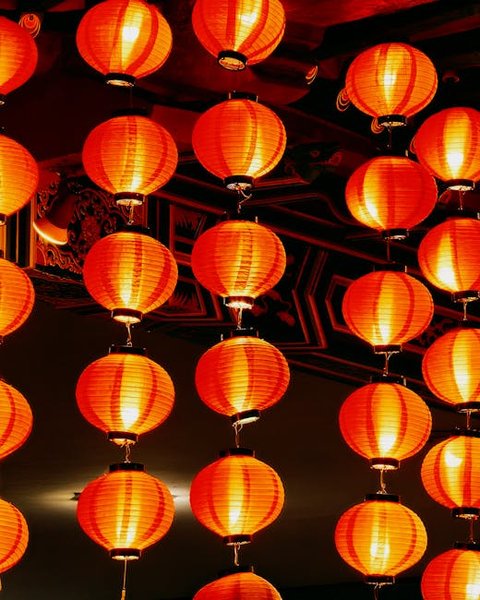
On weekends, the vast banquet hall and conference facilities hum with life. I once stumbled upon a massive clan association wedding there. The bride, in a magnificent red qipao, and the groom, in a sharp suit, paid their respects at the altar before their reception, seamlessly weaving tradition into their modern celebration. The temple provides the venue, the auspicious setting, and the cultural anchor for such events. It’s also a community center. I’ve seen free health screening camps in the courtyards, calligraphy classes for children, and lively forums on Chinese culture. During the Mid-Autumn Festival, the grounds are packed with families admiring lanterns, a scene of intergenerational bonding.
The most profound application, however, is as a social stabilizer. For the elderly members of the community, it’s a daily destination—a place to meet friends, drink tea in the garden, and feel connected. For new immigrants or students from China, it’s a touchstone of familiarity in a foreign land. The temple doesn’t exist in a vacuum; it actively sustains the social fabric that built it.
The Double-Edged Sword of Beauty and Popularity
The advantages of Thean Hou Temple are immediately apparent. Its location offers breathtaking panoramic views of Kuala Lumpur, a symbolic and literal overlooking of the city. It’s immaculately maintained, a testament to the pride and ongoing investment of its stewards. As a symbol of religious harmony in multicultural Malaysia, it’s a powerful one—open to all, often visited by curious Muslim and Indian Malaysians and tourists of every background. Its scale and facilities make it incredibly versatile, capable of hosting both intimate prayer and massive cultural events.
But these strengths create their own challenges—the disadvantages, if you will. Its popularity is its biggest curse. During major festivals like Chinese New Year or Thean Hou’s birthday (the 23rd day of the 3rd lunar month), the temple is swamped. The serene atmosphere evaporates in a crowd of thousands. The peaceful courtyards become thoroughfares, and the scent of incense is overpowering. For a spiritual seeker hoping for quiet contemplation, these times can be overwhelming. The temple’s very success as a tourist icon can sometimes overshadow its function as a house of worship. I’ve seen tour groups with loudspeakers disrupt moments of private prayer, a clash of intentions that’s hard to manage.
Another, more subtle challenge is one of perception. Its newness and pristine condition lead some visitors, especially those seeking “ancient authenticity,” to dismiss it as a mere replica or a theme park version of a temple. They miss the point entirely. Its authenticity isn’t in weathered stone; it’s in the living practice it contains. This isn’t a museum piece; it’s a workshop of ongoing cultural life.
A Personal Case Study: The Quiet Dawn vs. The Noisy New Year
My most vivid experiences bookend the spectrum of what Thean Hou offers. The first is my preferred visit: at 6:30 AM on a random Wednesday. The city below is just waking up. The only sounds are the sweeping of a caretaker’s broom and the distant call to prayer from a mosque in the valley. The air is cool. Inside the main hall, a few elderly devotees are already performing their morning rituals, moving with a slow, practiced grace. You can hear the soft clack of the pui (wooden divination blocks) hitting the floor. In this silence, the architectural details sing—the carved dragons on the pillars, the painted phoenixes on the beams, the soft glow of the oil lamps. This is the temple as a sanctuary in the truest sense.
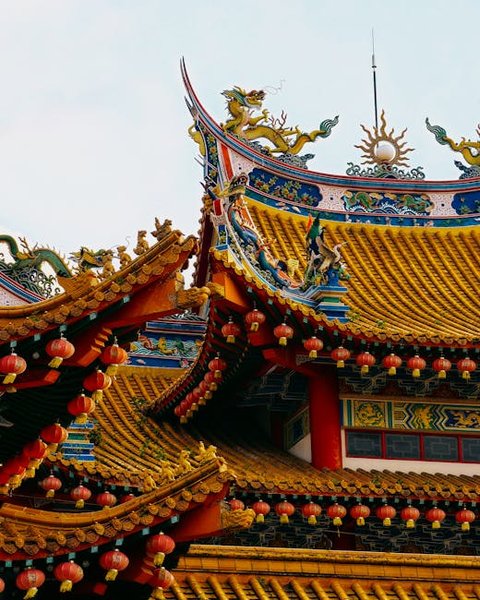
Contrast this with the Lunar New Year’s Eve I decided to experience. The temple was a river of people, a cacophony of firecrackers, lion dance drums, and joyful shouts. The smell of gunpowder mixed with incense. Families, dressed head-to-toe in red, jostled good-naturedly to offer their first prayers of the year. It was hot, loud, and chaotic. And yet, it was profoundly authentic. The energy was electric, a collective expression of hope and renewal. The temple here wasn’t a quiet sanctuary but a pulsating heart, a battery charging the community’s spirit for the year ahead. One visit offered peace; the other offered power. Both are true aspects of its purpose.
Not the Only Player: How Thean Hou Fits into KL’s Spiritual Landscape
Kuala Lumpur has other famous Chinese temples. The serene Chan See Shu Yuen Temple in Petaling Street is a century-old clan house with a stunning courtyard, offering a more intimate, historical feel. The Sin Sze Si Ya Temple, also in the old town, is the city’s oldest, tucked away and shrouded in local legend. Compared to these, Thean Hou is the grand, organized, and accessible cousin. It lacks the mossy, hidden-history aura of Sin Sze Si Ya, but it makes up for it in scale, facilities, and panoramic grandeur. It’s less of a hidden gem and more of a crowning jewel, deliberately placed for maximum effect. For a visitor with limited time, Thean Hou provides the most comprehensive “package”—architecture, view, culture, and activity—while the others offer deeper, niche dives into specific histories.
Pitfalls for Visitors and How to Sidestep Them
After dozens of visits, I’ve seen (and made) my share of mistakes. Here’s my practical advice:
- Pitfall 1: Coming at the worst time. Arriving at noon on a weekend or during a major festival guarantees crowds and heat.
- Avoid it: Go early. Aim for 7:00 - 9:00 AM on a weekday. You’ll have the space to breathe and appreciate the details.
- Pitfall 2: Treating it like a museum. Walking through quickly, snapping photos of altars without understanding or respect.
- Avoid it: Slow down. Observe the rituals. If you wish to pray, follow the basic etiquette: make a small donation for incense, light it, hold it with both hands, bow three times, and place it in the large burner. Don’t point directly at deity statues with your camera.
- Pitfall 3: Missing the layers. Staying only on the main altar floor.
- Avoid it: Explore. Descend to the garden level with its turtle and koi ponds and the marriage-promotion statue of the Old Man Under the Moon (Yue Lao). Check out the lower level with the souvenir shop and the small vegetarian restaurant—the lor mai fan (glutinous rice) is simple and delicious.
- Pitfall 4: Dressing without thought. While not as strict as some mosques, entering a place of worship in beachwear is disrespectful.
- Avoid it: Dress modestly. Cover your shoulders and knees. It’s a sign of respect that will be appreciated.
The Future: Preservation in a Changing City
The future of Thean Hou Temple seems secure, but its context is shifting. Kuala Lumpur continues to evolve around it, with new skyscrapers constantly altering the skyline it overlooks. The temple’s role as a community anchor for younger, English-speaking, and potentially less religiously observant generations will be its next test. Will it remain primarily a place of worship, or will its identity as a cultural and event space become dominant?
From my observations, the temple management seems aware of this balancing act. They maintain the traditional rituals with precision while hosting modern events. The key will be ensuring that commercial or tourist interests never dilute the sacred core that gives the place its true power. If they can continue to be both a spiritual wellspring for the devoted and a welcoming cultural bridge for the curious, its future is bright. It must remain, as it is now, both timeless and timely.
Final Reflections
The Thean Hou Temple taught me that authenticity isn’t about age; it’s about meaning. It’s a testament to what a community can build when it has a shared vision. It’s a reminder that in the midst of a modern, hectic city, spaces for collective breath, memory, and hope are not just nice to have—they are essential. My first visit was a traffic-induced accident. Every visit since has been a deliberate return to a place that, in its own colorful, fragrant, and dynamic way, makes perfect sense. It’s not an escape from Kuala Lumpur, but rather, a key to understanding one of the many layers that make this city so compelling. If you go, go early. Sit in the garden. Watch the devotees. And look out over the city from its balconies. You’re not just seeing a view; you’re seeing the story of a community, carved in wood and stone, burning brightly with incense, and very much alive.